
Last updated October 16, 2026
 AC repair
 Furnace & heating
 Heat pumps
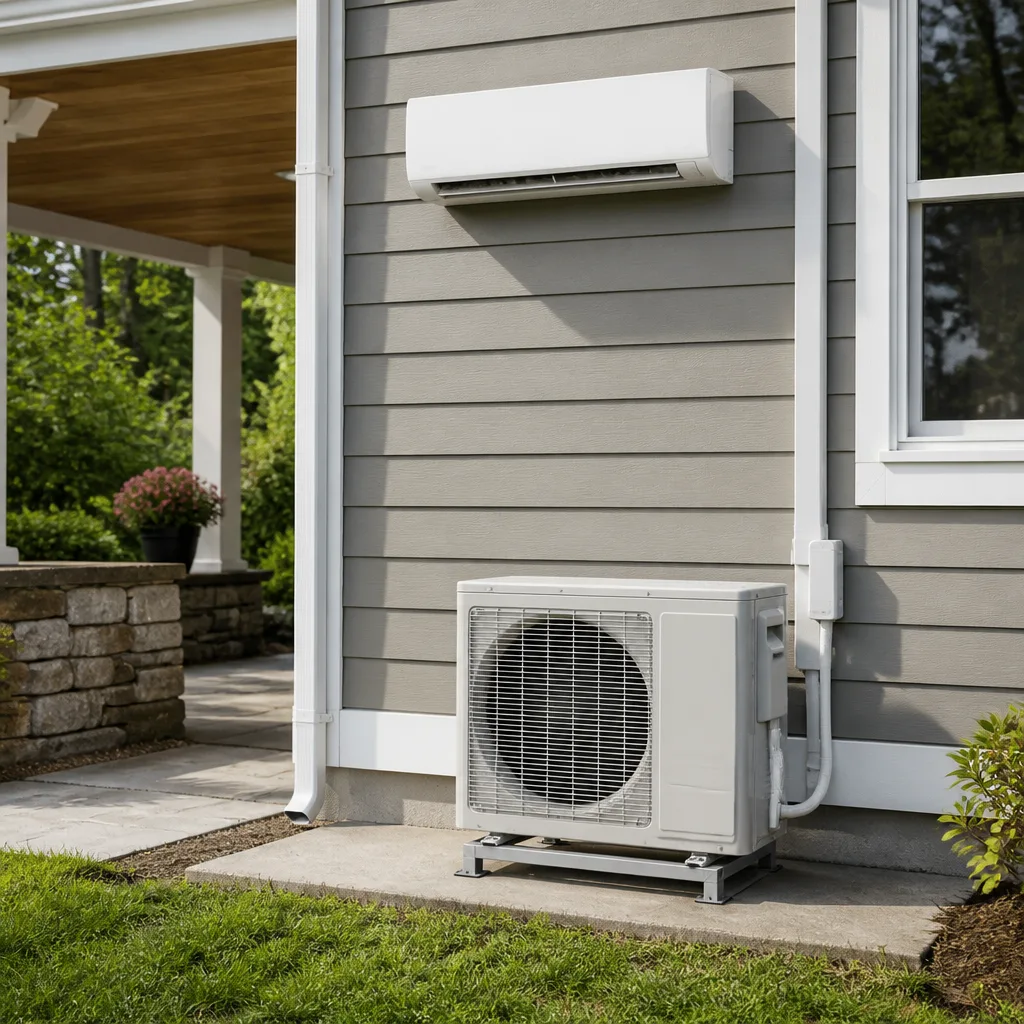 Ductless mini splits
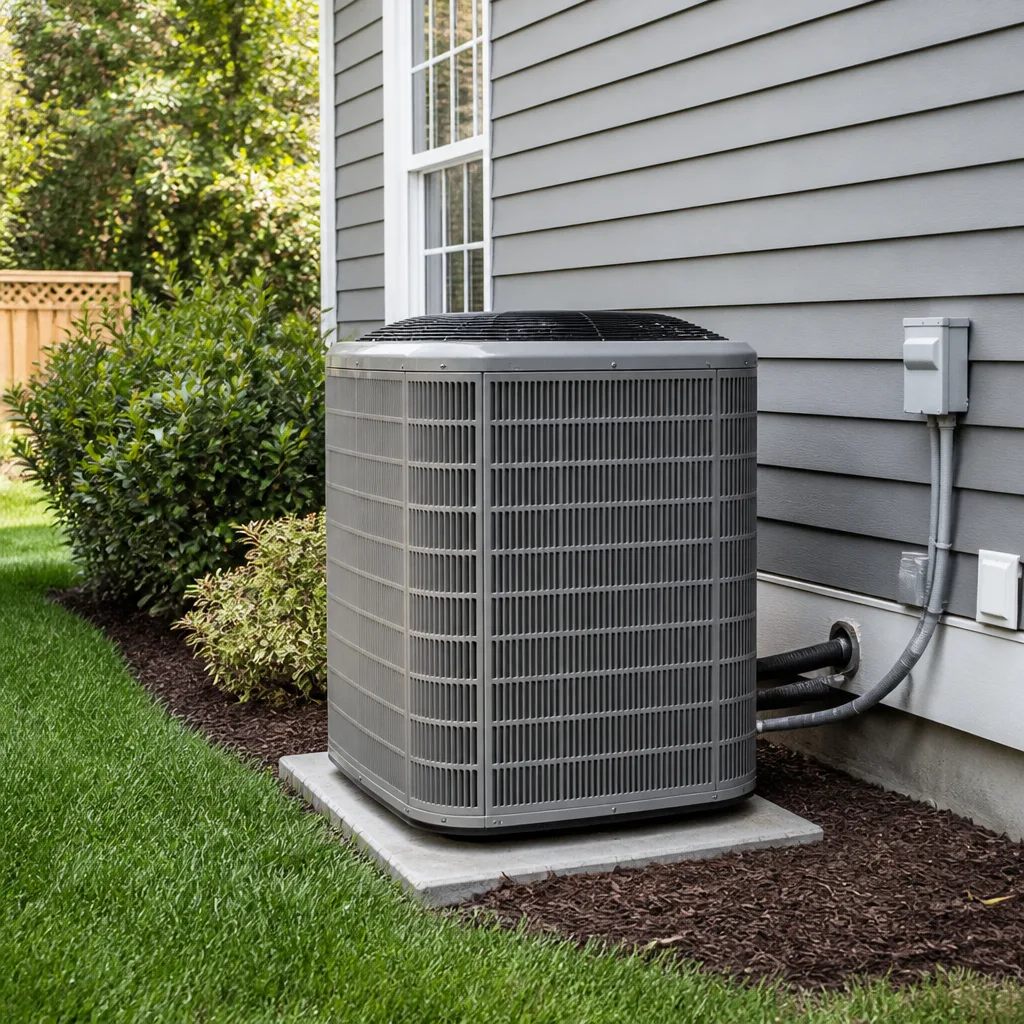 Carrier
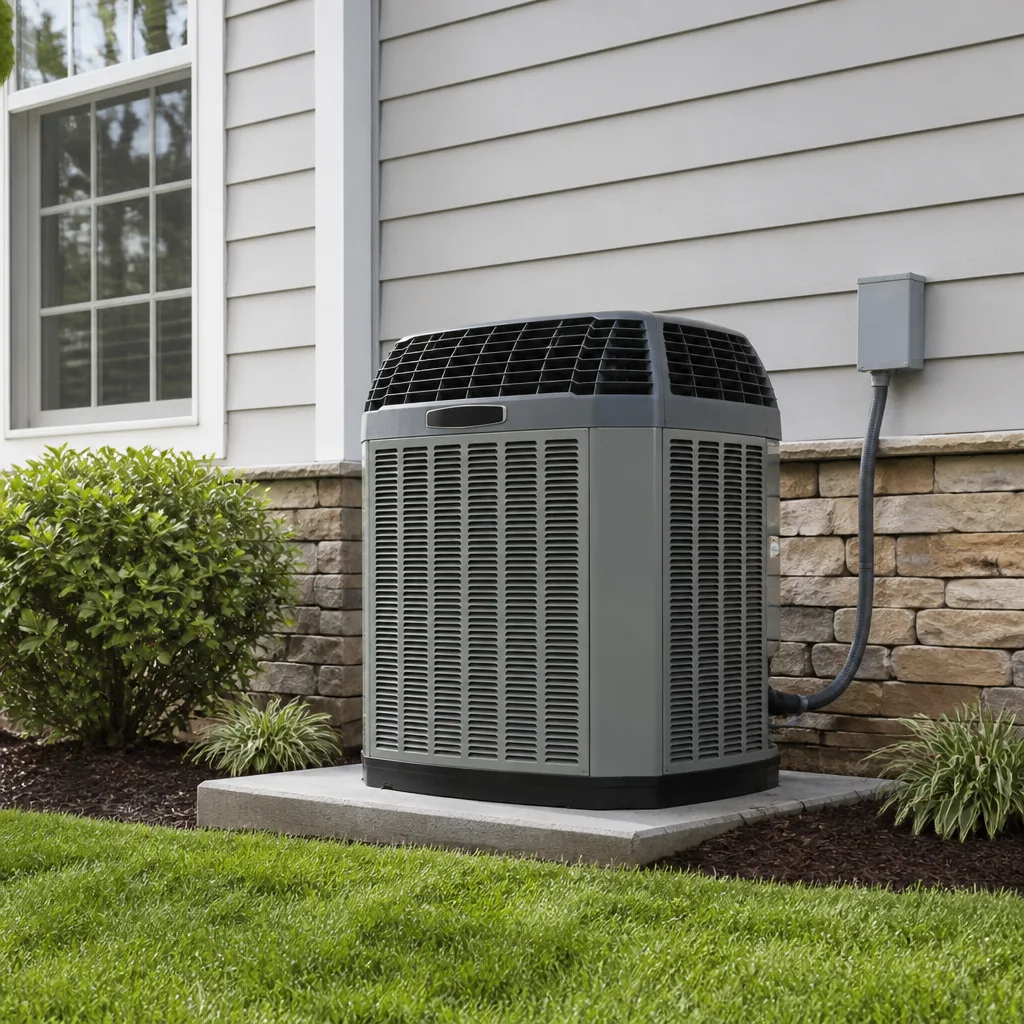 Trane
Trane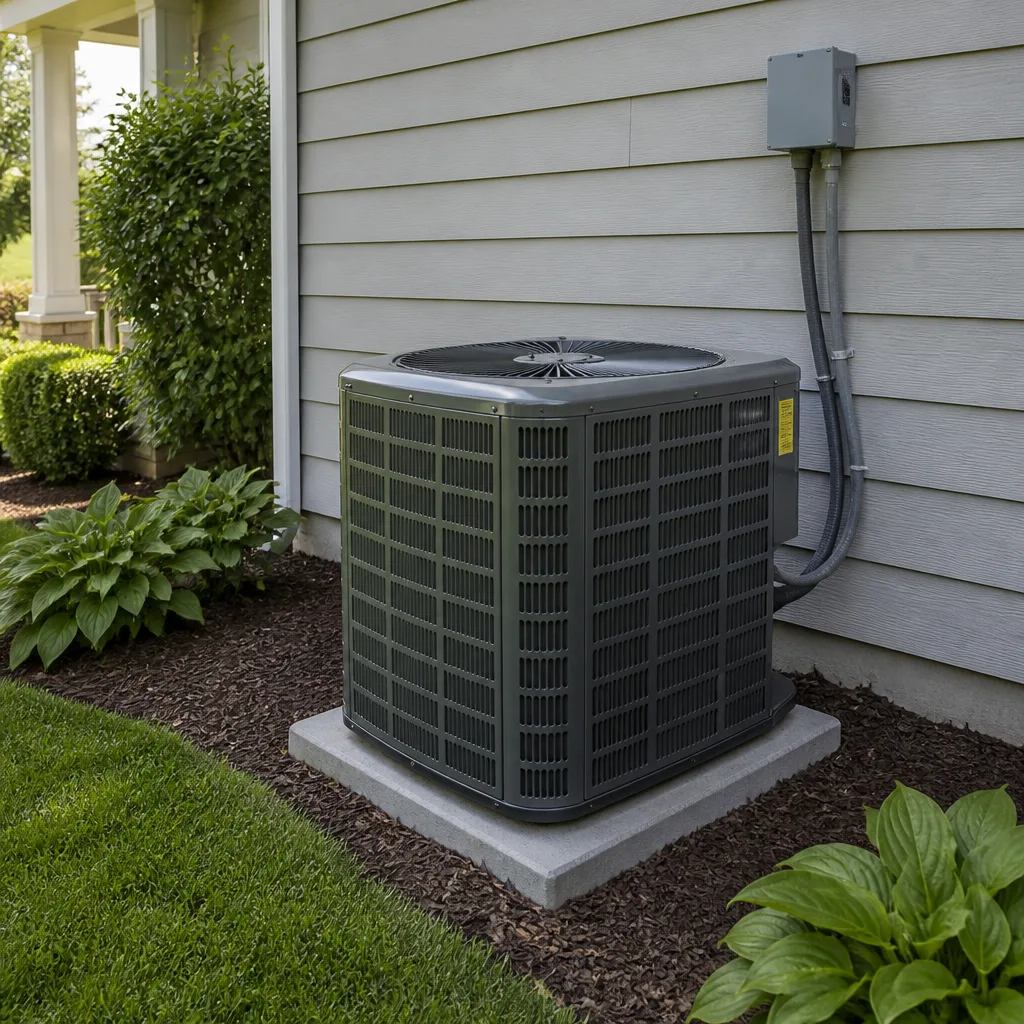 Goodman
Seasonal tune-up and full diagnostic on your Carrier, Trane, or Goodman system - readings shown to you before any repair is proposed
Diagnosis first, numbers second - you approve the repair price before a single part goes in.
Get your free estimateDIY vs Professional HVAC: The Las Vegas Homeowner’s Decision Guide
Replacing your own capacitor in Las Vegas in July isn’t dangerous because you might do it wrong. It’s dangerous because you’re working on live equipment in a 120-degree condenser cabinet, and the margin for a mistake is zero. Every summer, we get calls from homeowners who watched a twelve-minute YouTube video, felt confident, and ended up three days deep in a repair that now has two broken parts instead of one. This guide draws the line clearly: what you can legally and safely do yourself, what Nevada law says you cannot, and how to think about risk when the temperature outside is 112 degrees and your family is inside.
Styles & brands we work with
Quick Answer
Most Las Vegas homeowners can safely handle four HVAC tasks: filter changes, condenser coil rinsing, thermostat programming, and condensate drain flushing. Everything involving refrigerant, gas lines, electrical panels, or compressor internals is both dangerous and, in many cases, illegal for unlicensed DIY work under Nevada and EPA regulations. When a repair goes sideways in Las Vegas summer, the cost isn’t just parts and labor. It’s 48 to 72 hours without cooling while every licensed tech in Clark County is booked solid, and that math changes the whole equation.
Table of Contents
- The Legal Boundary: What Nevada Law Says You Cannot DIY
- Four DIY Tasks That Are Safe, Legal, and Worth Doing
- The Las Vegas Heat Risk Calculus: Why “I’ll Try It First” Fails Here
- How to Evaluate a YouTube Repair Video for Las Vegas Applicability
- The Identity Risk of Desperation: Why Preparation Prevents Bad Decisions
- DIY vs Professional: Real Cost Comparison in Las Vegas
- Common Mistakes to Avoid
- When to Call a Professional
- Frequently Asked Questions
- The Bottom Line
The Legal Boundary: What Nevada Law Says You Cannot DIY
Here’s the part most YouTube tutorials skip: some HVAC work in Las Vegas isn’t just risky. It’s illegal for an unlicensed person to perform, full stop. Nevada law requires a contractor’s license for any HVAC work that involves refrigerant handling, gas line modification, or system replacement requiring permits. The EPA’s Section 608 rule makes it a federal violation for anyone without certification to purchase or handle refrigerant. That means the moment your AC repair in Las Vegas involves adding refrigerant, you’re not making a judgment call about skill. You’re making a legal decision.
Let’s name these boundaries plainly:
- Refrigerant handling: Adding, removing, or recovering refrigerant requires EPA Section 608 certification. No exception for homeowners. Recharging a system without the right license can bring fines starting at $37,500 per violation per day.
- Gas line work: Any modification to a gas supply line feeding your furnace requires a licensed contractor and a permit in Clark County. This is not about competence. It’s about liability and safety code.
- System replacement: Replacing a condenser, evaporator coil, or whole system requires a mechanical permit in Las Vegas and must be done by a licensed contractor. No gray area here.
- Electrical panel connections: Any work inside the breaker panel or disconnect box feeding your HVAC system falls under electrical code. In Clark County, that means a licensed electrician or a licensed HVAC contractor with electrical endorsement.
We’ve had honest conversations with homeowners who felt embarrassed asking about this. Don’t be. The rules exist because refrigerant is dangerous to handle without training, gas leaks kill people, and unpermitted work can void your homeowners insurance if something fails later. Knowing where the line is isn’t admitting defeat. It’s protecting your family and your house.
Four DIY Tasks That Are Safe, Legal, and Worth Doing
We’re not here to tell you that everything requires a pro. There are four tasks any Las Vegas homeowner can and should do themselves. These save money, extend equipment life, and require nothing more than basic hand tools and a Saturday morning.
1. Filter Replacement
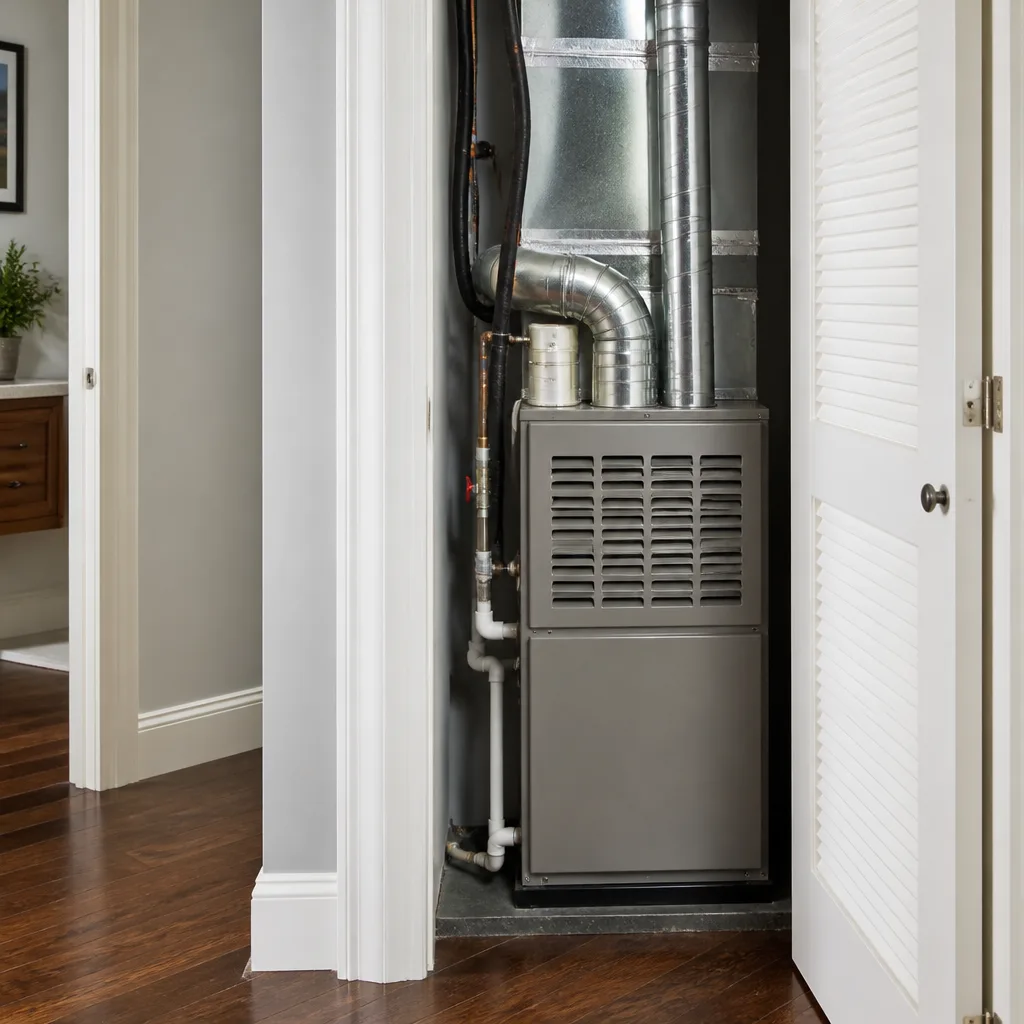
This is the single highest-impact maintenance task in your home. In Las Vegas, where your system runs hard from April through October, a dirty filter chokes airflow, forces the system to work harder, and can cause the evaporator coil to freeze. Replace your filter every 30 to 45 days during peak cooling season, not the 90 days printed on the package. Buy pleated filters with a MERV rating between 8 and 11. Higher MERV ratings restrict airflow, which your system already struggles with in our climate. The filter slot is on the return air grille or at the furnace/air handler. Turn off the system, slide the old one out, slide the new one in with the arrow pointing in the direction of airflow. That’s it. Five minutes, $15, and it prevents about a third of the no-cooling calls we get in July.
2. Condenser Coil Rinsing
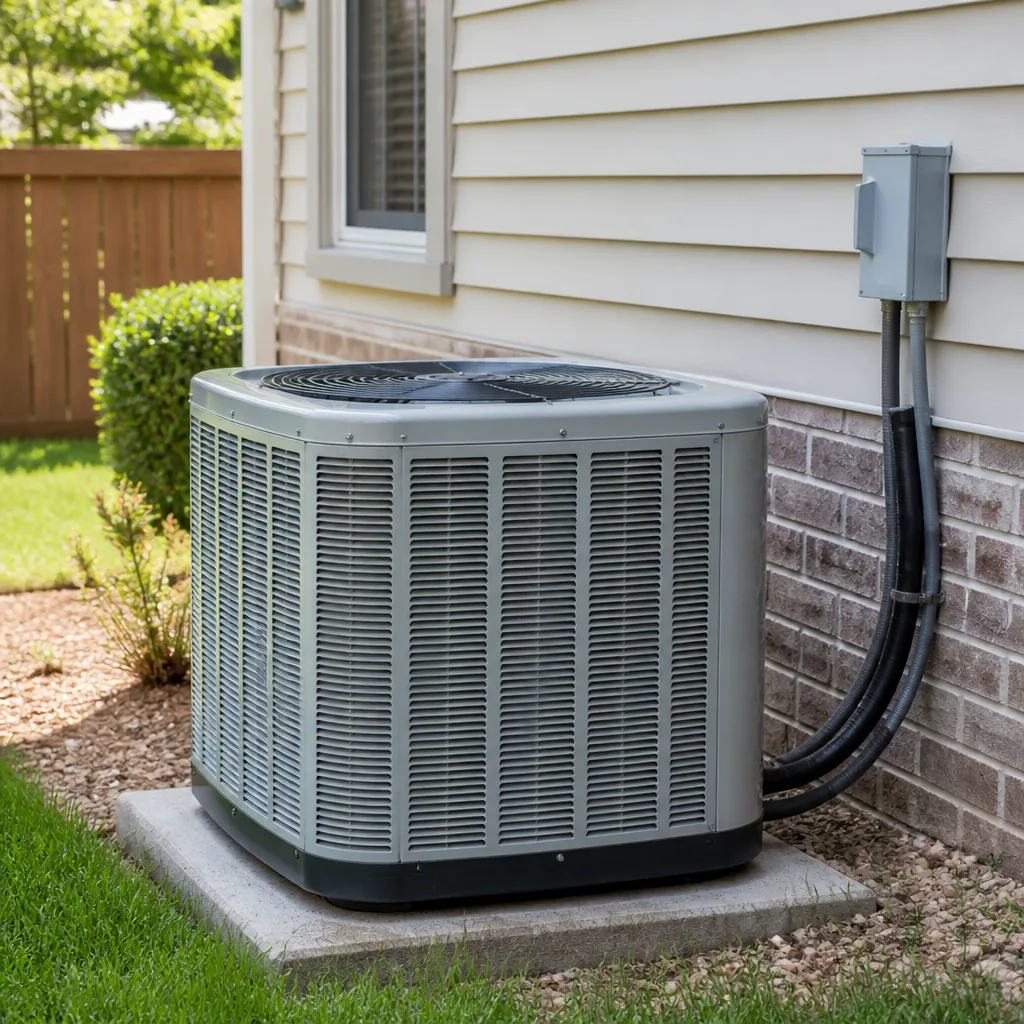
Your outdoor unit sits in Las Vegas dust, cottonwood pollen, and construction debris. When the coil gets caked, heat can’t escape the refrigerant, and your system runs hotter and longer. Rinsing it is straightforward: kill power at the disconnect box next to the unit, remove the outer louvered panels (most lift off or unscrew), and spray the coil from the inside out with a garden hose. Use a gentle spray, not a pressure washer, which will bend the aluminum fins flat. Do this in the spring before the heat arrives and again in the fall if we’ve had a dusty monsoon season. If the fins are heavily matted with pet hair or construction dust, a professional coil cleaning from our AC maintenance in Las Vegas team uses a foaming cleaner that dissolves what a hose can’t reach. But a seasonal rinse prevents most of the buildup in the first place.
3. Thermostat Programming
If you still have a manual thermostat or a programmable one you’ve never actually programmed, you’re leaving money on the table. Set cooling to 78 degrees when you’re home and awake, 82 when you’re away, and let it drift to 76 at night if you need it for sleep. Every degree you raise the setpoint in Las Vegas summer cuts cooling energy use by roughly 6 to 8 percent. Smart thermostats handle this automatically and learn your schedule. Installation of a smart thermostat is usually DIY-friendly if you have a C-wire at the wall plate, but if your wiring doesn’t match the instructions, stop and call us before you short something. We’d rather spend fifteen minutes helping you wire this correctly than four hours replacing a fried control board.
4. Condensate Drain Flushing
Your AC produces gallons of condensate every day in Las Vegas humidity, and that water drains through a narrow PVC line that clogs with algae and dust. When it backs up, the float switch shuts down your system or water damages your ceiling. Flush the line quarterly with a cup of white vinegar poured into the condensate trap near the indoor unit. Follow it with warm water. If you want to be thorough, a wet/dry vacuum at the outdoor drain line exit pulls out the gunk. This takes ten minutes and prevents the single most common no-cooling call we see in the late summer months.
The Las Vegas Heat Risk Calculus: Why “I’ll Try It First” Fails Here
In most climates, a failed DIY repair means you open some windows, run a fan, and wait for the part to arrive. In Las Vegas, the math is different. When your AC fails in July and you attempt a repair that doesn’t work, you’ve just spent six hours making the situation worse. Now you’re calling a professional anyway, and every licensed HVAC company in Clark County is fielding the same emergency calls from hundreds of homeowners who either waited too long or made the same attempt you did. The result: you’re on a waiting list, and your family is sleeping at 90 degrees indoors.
Here’s what that 48 to 72 hour window actually looks like in our experience. Indoor temperatures in a Las Vegas home with no cooling climb fast. On a 110-degree day, a house with good insulation might hold 85 degrees for a while, but by the second afternoon it’s 95 inside. For older homeowners, infants, or anyone with a respiratory condition, that’s not discomfort. That’s a medical risk. People die in Las Vegas heat waves every year, and not all of them are unhoused. Some of them are in houses with broken air conditioners, waiting for a repair slot.
This is why we tell homeowners to be honest about their risk tolerance before they open their toolbox. A capacitor replacement costs $150 to $300 when a professional does it in Las Vegas. If you attempt it yourself and it works, you’ve saved that money. If you attempt it and it fails because you got the wrong capacitor, installed it incorrectly, or the underlying issue wasn’t the capacitor at all, you’ve spent your Saturday and now you’re paying for the repair plus whatever secondary damage occurred, and you’re waiting 72 hours in a hot house. That’s a bad trade. In our experience, it’s a bad trade about 80 percent of the time when the repair involves anything beyond the four tasks we listed above.
How to Evaluate a YouTube Repair Video for Las Vegas Applicability
We’re not anti-YouTube. Some of the best informed homeowners we work with learned the basics from videos. But a video filmed in a garage in Ohio or a warehouse in Florida doesn’t account for how Las Vegas conditions change the work. Here’s what to look for before you trust a tutorial.
Check the climate context
A video showing a condenser coil cleaning filmed in a mild climate doesn’t reflect what your Las Vegas coil looks like after a summer of dust storms and 110-degree operation. Equipment runs differently at our ambient temperatures. The compressor runs hotter, the refrigerant pressures run higher, and the electrical components are under more stress. A repair that looks straightforward in a 75-degree garage becomes genuinely dangerous when the condenser cabinet is 120 degrees and the capacitor is heat-soaked. If the video doesn’t mention ambient temperature or heat-related safety precautions specific to working on a hot system, treat it as incomplete.
Verify the equipment variables
Your unit is a Carrier, a Brandt HVAC Co Las Vegas home technician has probably serviced one like it this week, but the video might show a Goodman, a Lennox, or some off-brand unit with a different wiring layout. Capacitor microfarad ratings vary by unit. Contactor part numbers vary by manufacturer. Refrigerant type matters enormously. If the video says “this should be similar on your unit,” that’s a red flag. Similar isn’t the same, and in HVAC, the difference between a 35/5 and a 45/5 capacitor is the difference between a working compressor and a toasted one.
Look for the safety omissions
We watch these videos too, and the most common thing they skip is the part where you say “I checked that the power is actually off.” A competent tutorial says it explicitly: turn off the breaker, turn off the disconnect at the condenser, verify with a voltage tester, and understand that capacitors hold a charge even after power is disconnected. If a video skips the capacitor discharge step, close it. That’s the step that prevents you from getting a shock that can stop your heart. No repair is worth that, and no legitimate tutorial omits it.
The Identity Risk of Desperation: Why Preparation Prevents Bad Decisions
Here’s the part of the DIY-versus-professional conversation that nobody wants to talk about, and it matters in Las Vegas more than most places. When your AC fails and your DIY attempt makes it worse, you’re now desperate. You’re calling around, and you’re hearing “we can get to you in three days” from every reputable company. So you start calling numbers you wouldn’t normally call. You find someone who says they can come tonight. And now you have a different problem: you don’t know who you’re opening your door to.
This is why we built our whole operation around identity verification. Every Brandt HVAC Co Las Vegas technician is background-checked and identity-verified through the Threshold Verified standard. Before a tech arrives at your door, you get their name and photo. When they ring the bell, they show a photo ID badge that matches the person you were told to expect. If someone shows up who you weren’t expecting, that visit is on us. We make it right. That’s not a marketing line. That’s a promise we write down and stand behind.
The Las Vegas market has a real problem with unlicensed operators. They advertise on social media, they take cash, and they disappear. When the repair fails, there’s no warranty, no license to file a complaint against, and no way to get your money back. A homeowner who has a relationship with a licensed, verified HVAC company doesn’t face that risk. They know who’s coming, they know the person is vetted, and they know the work carries a written guarantee. The best defense against a bad actor in your driveway is building the relationship before the emergency, not during it.
Our 365-Day Done Right Promise is part of that. Every repair we do in Las Vegas carries a written guarantee. If the repair fails within the guarantee period, we return free of charge. No argument, no additional charge. When you know the repair is guaranteed before you agree to it, the decision to call a professional becomes a lot easier to make.
DIY vs Professional: Real Cost Comparison in Las Vegas
Let’s put actual numbers on the table, because “it depends” helps nobody. These are the prices we see in the Las Vegas market as of 2025, and they’re honest ranges for what homeowners actually pay; for deeper context, see our HVAC Cost Breakdown: The Las Vegas Homeowner’s Reference for 2026.
DIY Task Costs
- Filter replacement: $15 to $30 per filter, done every 30 to 45 days. Total annual cost: $120 to $300 depending on filter quality and unit size.
- Condensate drain flush: $5 to $15 for vinegar and basic supplies. Total annual cost: under $30.
- Condenser coil rinse: $0 if you own a garden hose with a spray nozzle. $25 to $40 if you buy a coil cleaning spray from a home improvement store.
- Thermostat programming: $0 to set an existing thermostat. $100 to $250 for a smart thermostat if you install it yourself.
Professional Repair Costs in Las Vegas
- Capacitor replacement: $150 to $300, parts and labor included.
- Contactor replacement: $150 to $250, parts and labor included.
- Condensate drain clearing with professional equipment: $100 to $200, depending on clog severity.
- Refrigerant leak repair and recharge: $300 to $1,500, depending on leak location and refrigerant type. Daikin and Bryant systems using newer refrigerants cost more to recharge than older R-410A units.
- Blower motor replacement: $450 to $900, parts and labor included.
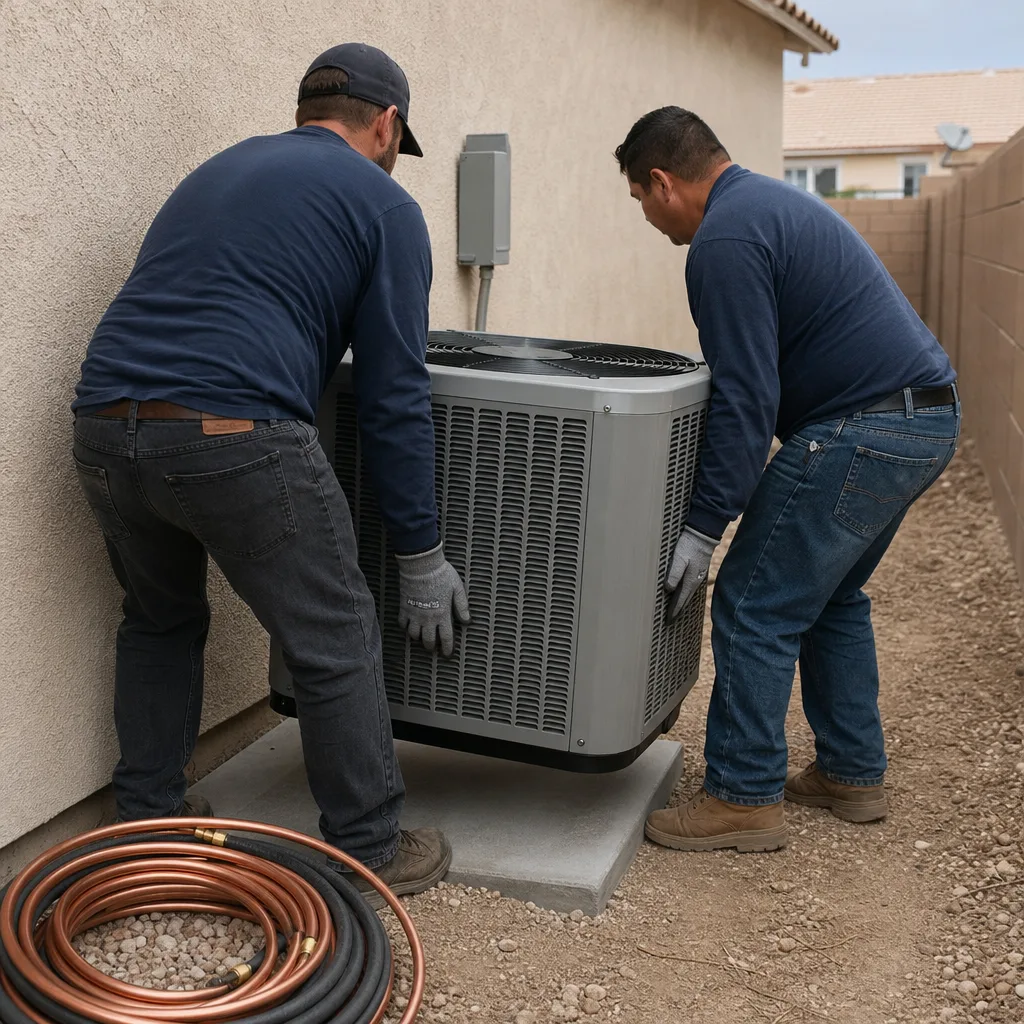
- Full system replacement: $8,000 to $16,000 in Las Vegas, depending on system size, efficiency rating, and brand. Carrier and American Standard units trend toward the upper end of that range.
At Brandt HVAC Co Las Vegas, we give you a written price before any work starts, on every single job, with no exceptions. You see the number, you agree to it, and only then do we touch your equipment. No surprises at the end, no “while we were in there” additions. That’s how it should work, and that’s how we do it.
Common Mistakes to Avoid
- Attempting a repair without confirming the actual diagnosis. Replacing a capacitor because “the unit won’t start” is a guess, not a diagnosis. You might get lucky, or you might spend money on a part that wasn’t the problem and still have a broken system two days later.
- Adding refrigerant from a can you bought online. This is illegal without EPA Section 608 certification, and those cans sold online are often R-22 or other refrigerants that don’t match your system. Mixing refrigerants destroys compressors.
- Skipping the disconnect step because “the breaker is off.” The breaker and the local disconnect are both supposed to be off before any work on a condenser. Capacitors store charge, and a heat-soaked compressor has residual voltage. Test before you touch.
- Using a pressure washer on condenser coils. You’ll flatten the aluminum fins, reduce heat transfer, and make the unit run hotter than it did before you “cleaned” it. A garden hose with a gentle spray is the right tool.
- Leaving the filter unchanged for six months because it “looks okay.” A filter that looks dirty is already past due. In Las Vegas dust, the filter you should change every 30 days can look surprisingly clean while already restricting airflow.
- Trusting a tutorial that doesn’t match your equipment. A video showing a Goodman heat pump repair doesn’t apply to your Trane or Lennox unit. Different manufacturers, different wiring, different refrigerant, different failure modes.
- Waiting until the system fails to build a relationship with a licensed HVAC company. When you’re choosing a contractor from a desperate Google search at 11 PM in July, you’re not vetting anyone. You’re gambling.
When to Call a Professional
Call a professional when the repair involves refrigerant, gas lines, electrical panel work, or anything inside the sealed system. Call a professional when your DIY attempt hasn’t worked and you’ve already spent more than a few hours on it. Call a professional when anyone in the home has a health condition that makes heat dangerous. Call a professional when you hear unusual noises from the compressor, see ice on the evaporator coil, or smell anything burning. Call a professional for your furnace repair in Las Vegas before the first cold snap, not during it. Brandt HVAC Co Las Vegas offers free estimates in Las Vegas, and you can reach a live person 24 hours a day, 7 days a week at (725) 502-1353. No phone trees, no voicemail, no callback queue. A person answers.
Frequently Asked Questions
It is not illegal to replace a filter, rinse a condenser coil, or flush a condensate drain on your own system. It is illegal to handle refrigerant, modify gas lines, or perform permitted system replacements without the appropriate license and certification.
Filter replacement is the most common DIY HVAC task and the easiest path to better system performance. A clean filter improves airflow, reduces energy use, and prevents the evaporator coil from freezing during Las Vegas summers.
A capacitor replacement in Las Vegas typically costs $150 to $300, parts and labor included, depending on the capacitor type and your system’s specific requirements. Call (725) 502-1353 for an exact quote.
Las Vegas summer temperatures push HVAC equipment to operate at the edge of its design limits, which means working on a hot system involves higher internal temperatures, greater electrical stress, and a longer wait time for professional help if the DIY attempt fails.
No, recharging refrigerant without EPA Section 608 certification is a federal violation, and using the wrong refrigerant type can destroy your compressor. This is one of the clearest legal boundaries in HVAC work.
Stop working on the system, turn off power at the breaker and disconnect, and call a licensed HVAC professional. The longer you continue troubleshooting, the higher the risk of compounding the damage and extending your time without cooling. Call (725) 502-1353 for help any time, day or night.
The Bottom Line
The DIY-versus-professional decision in Las Vegas isn’t a test of your competence. It’s a question of legal boundaries, heat-specific risk, and the math of waiting in a hot house when a repair goes wrong. The four safe tasks are worth doing regularly; the rest belongs in licensed hands. Build your relationship with a verified, guaranteed HVAC company before the emergency, and you’ll never face the choice between letting a stranger into your home and sleeping at 95 degrees. For help choosing the right pro, read our How to Hire a HVAC Contractor in Las Vegas: A Step-by-Step Guide. That’s the whole game, and now you know how to play it.
Written by Devin Marlowe, Owner at Brandt HVAC Co Las Vegas, serving Las Vegas since 2003. Explore more guides & resources from our team.
See the difference
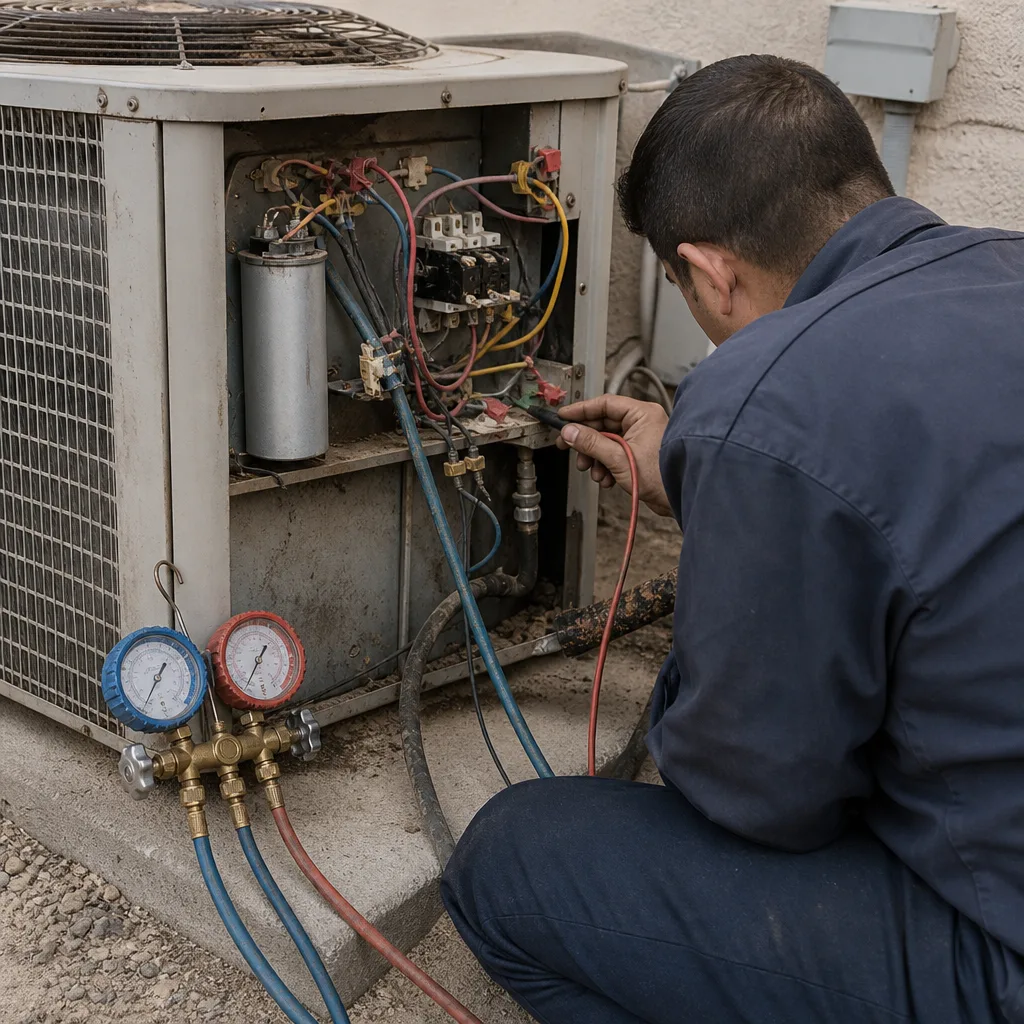 Before
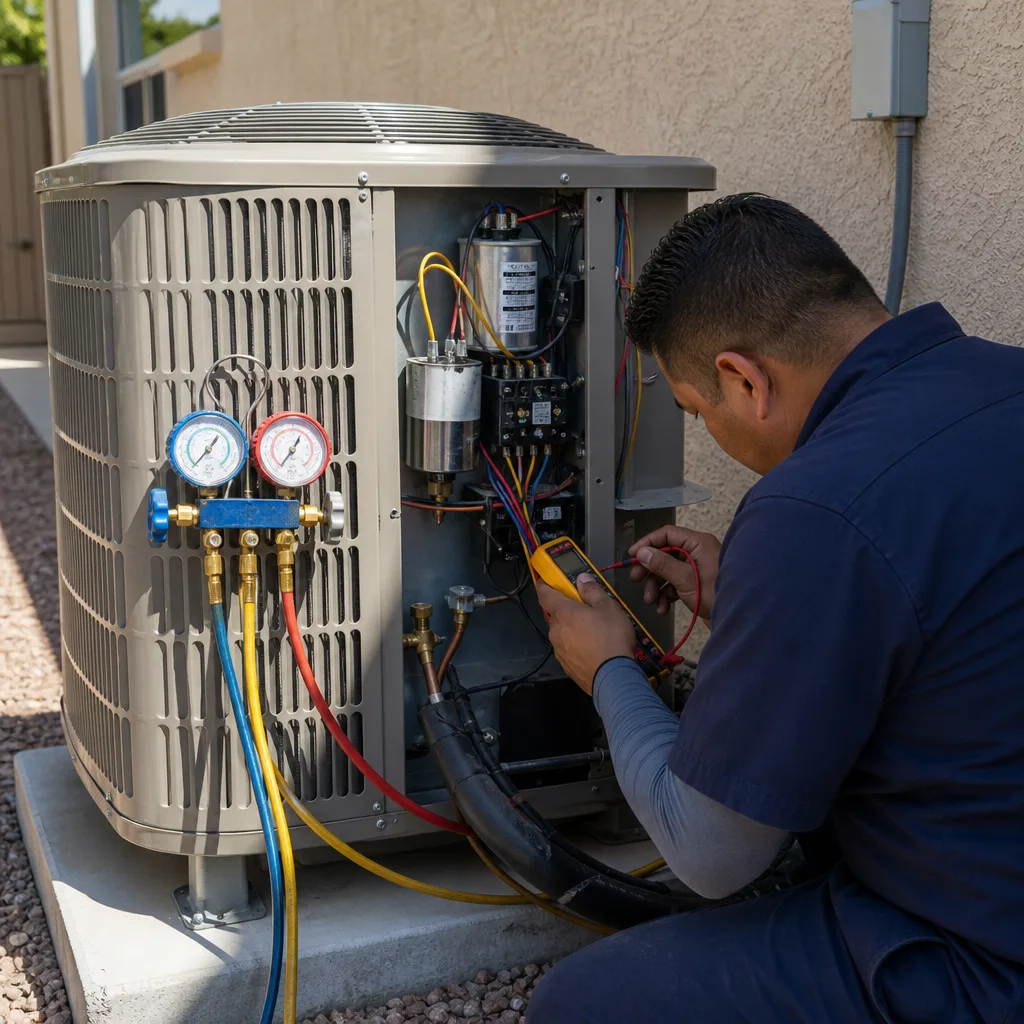 After
After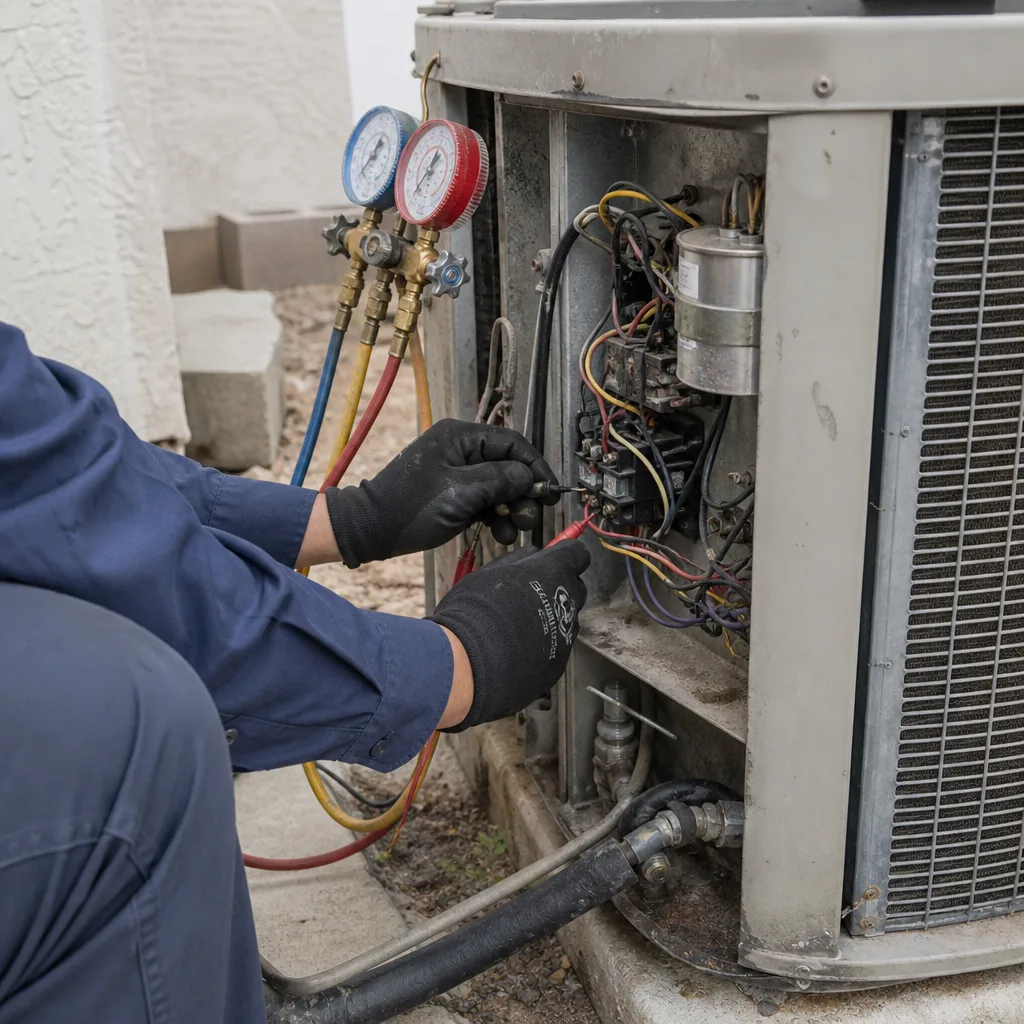 Before
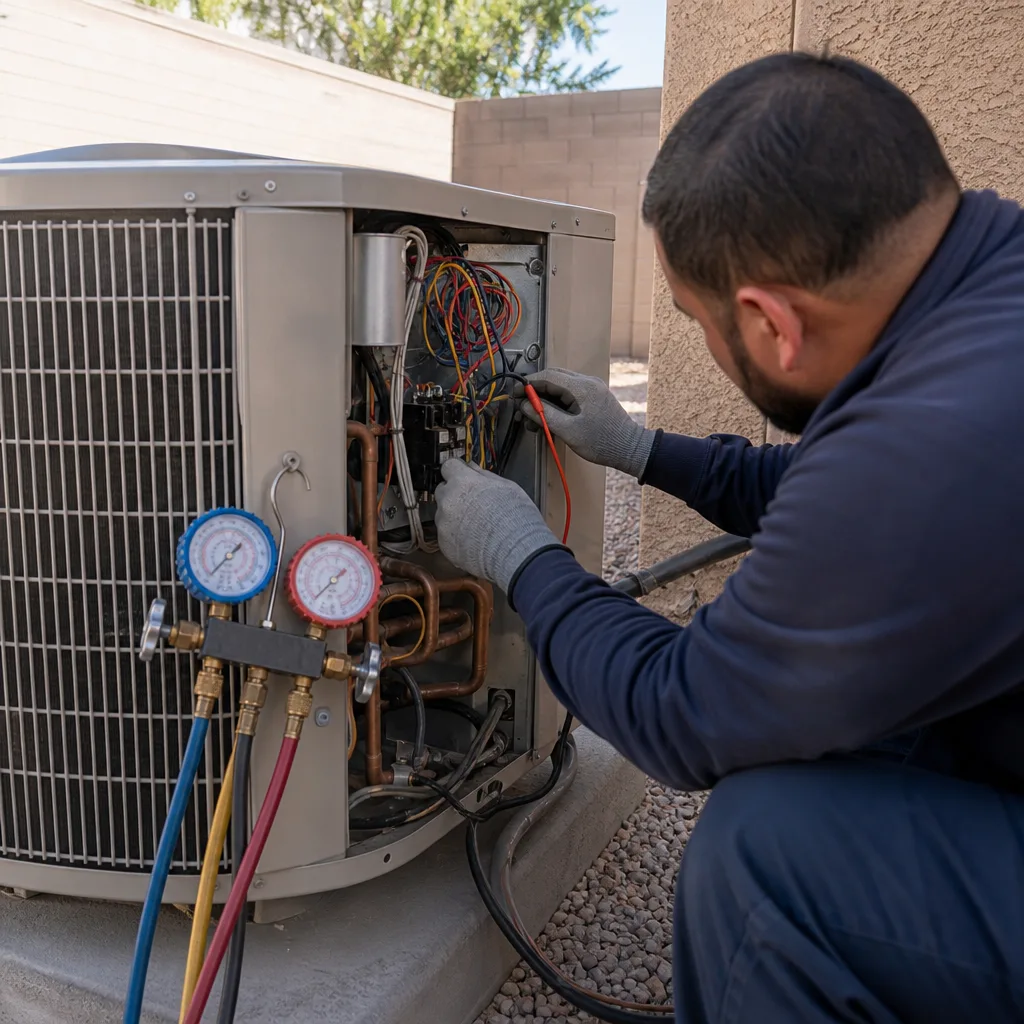 After
After Before
 After
After