
Last updated October 16, 2026
 AC repair
 Furnace & heating
 Heat pumps
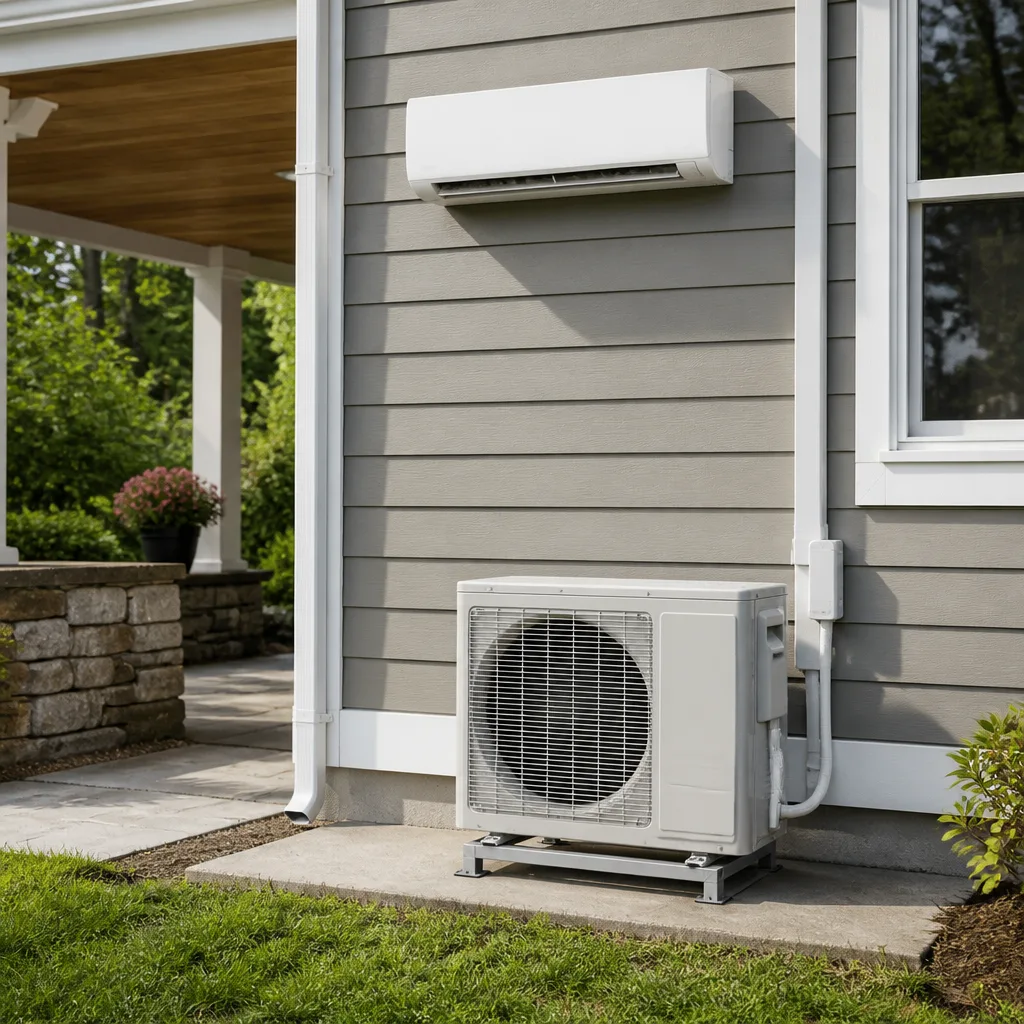 Ductless mini splits
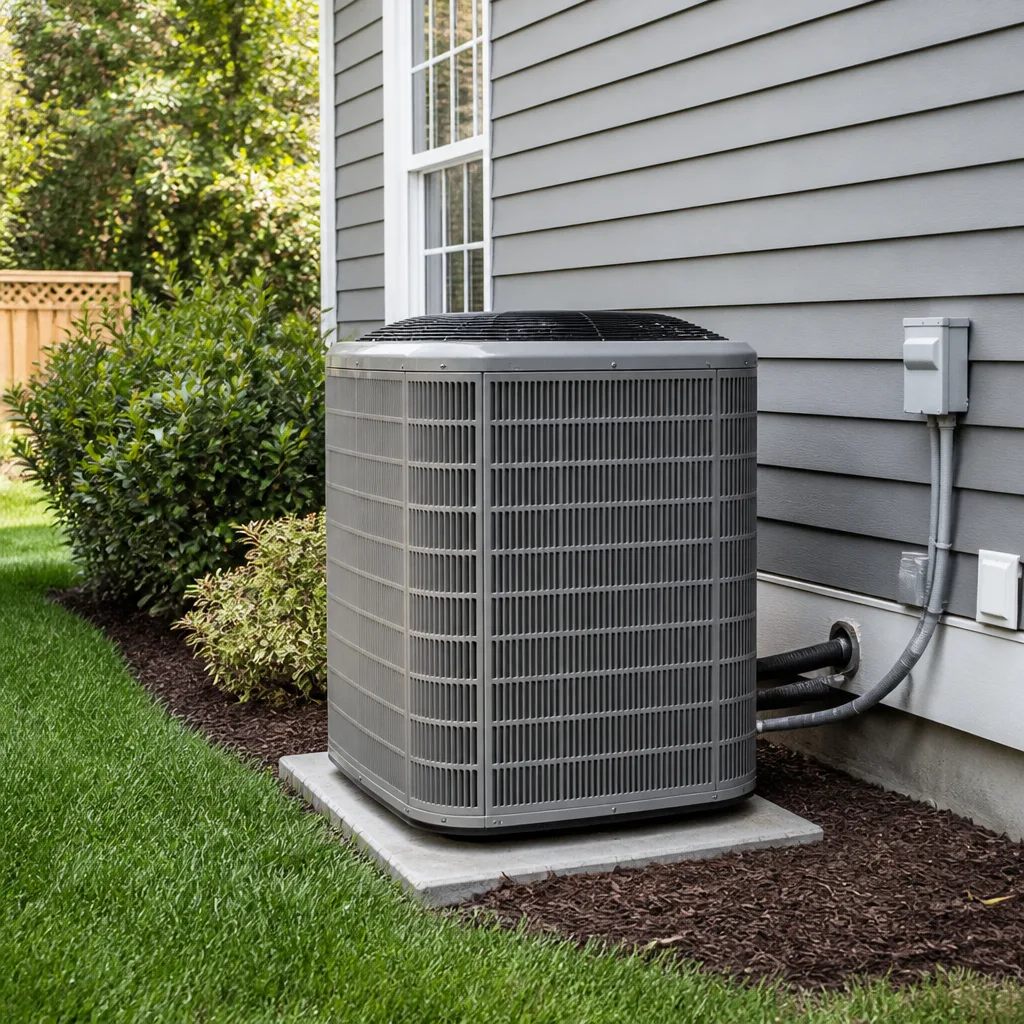 Carrier
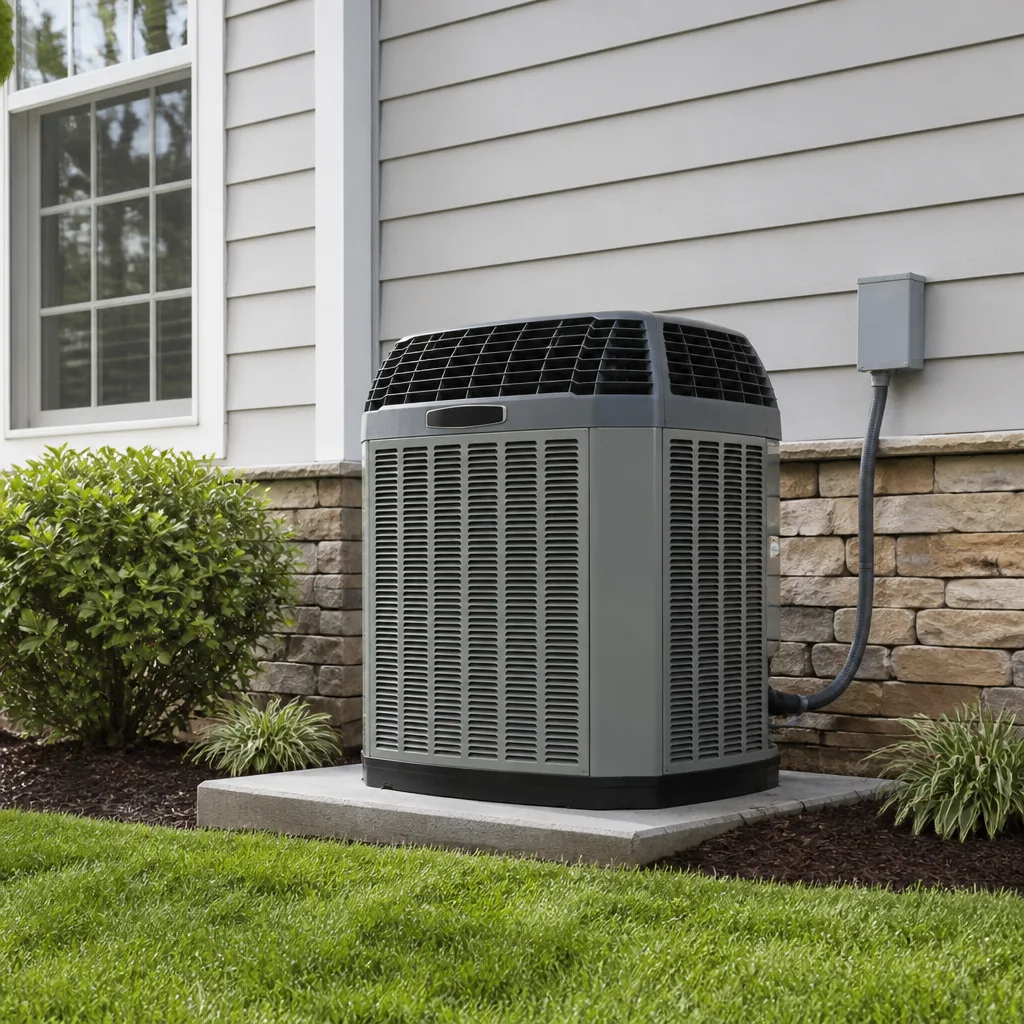 Trane
Trane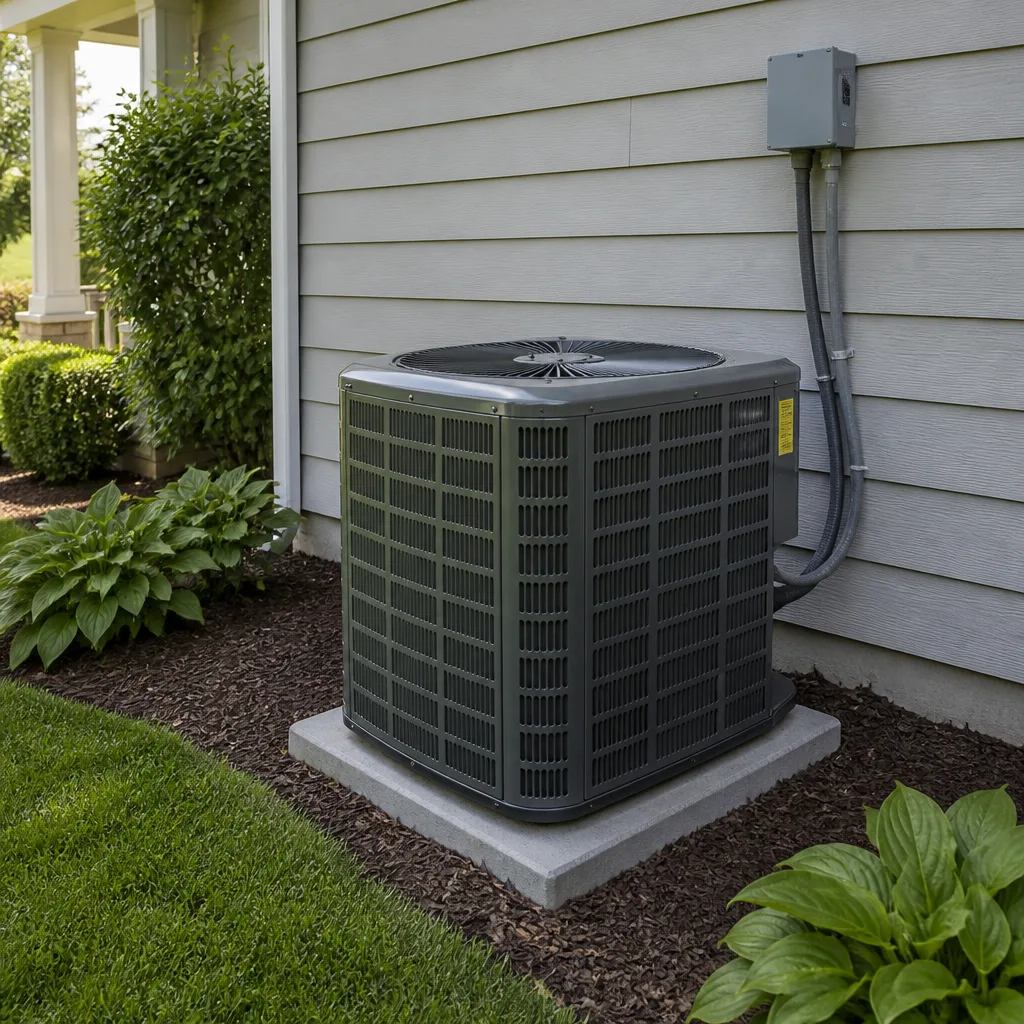 Goodman
Seasonal tune-up and full diagnostic on your Carrier, Trane, or Goodman system - readings shown to you before any repair is proposed
Diagnosis first, numbers second - you approve the repair price before a single part goes in.
Get your free estimateHVAC Warning Signs: A Las Vegas Homeowner’s Reference Guide
When your Las Vegas AC is “just not as cold as it used to be” in July, you don’t have a comfort problem. You have a system that may be 72 hours from a compressor failure. That’s the uncomfortable truth about living in the Mojave Desert: the same symptoms that mean a minor inconvenience in Portland or Denver mean something far more serious here. A refrigerant leak in a mild climate means slightly reduced cooling. In Las Vegas, where your system runs 14 hours a day through a 115-degree summer, that same leak becomes a compressor running hot, stressed, and headed for an early grave. This guide is written for Las Vegas homeowners who want to read their HVAC system the way a mechanic reads an engine: catching the sounds, smells, and behaviors that signal trouble before the trouble becomes a $9,000 replacement. For more on protecting your system, see our Complete Guide to HVAC in Las Vegas.
Quick Answer
Quick Answer: In Las Vegas, the HVAC warning signs that demand attention are a temperature drop of less than 15 degrees between your return and supply vents, short-cycling that occurs more than four times per hour, a monthly energy bill that has jumped more than 15% without a matching rate increase, any burning smell from your furnace, and any AC sound beyond the normal compressor hum and airflow. Any one of these means your system is no longer operating as designed, and in desert heat, that means a failure is closer than it would be anywhere else.
Styles & brands we work with
Table of Contents
- The Temperature Differential Test: What Your Vents Are Telling You
- Short-Cycling: Why It’s More Dangerous in Las Vegas Than Anywhere Else
- Decoding HVAC Sounds: Squeals, Buzzes, and What They Mean
- Reading Your Energy Bill as a Diagnostic Tool
- Carbon Monoxide and Gas Furnace Warning Signs
- Odors Coming From Your HVAC System: What’s Normal and What’s Dangerous
- Common Mistakes to Avoid
- When to Call a Professional
- Frequently Asked Questions
The Temperature Differential Test: What Your Vents Are Telling You
Every HVAC system is designed to produce a specific temperature difference between the air it pulls in and the air it pushes out. In Las Vegas, where outdoor temperatures regularly exceed 105 degrees in summer, a working system should deliver air that is 15 to 20 degrees cooler than the air returning to it. This is the single most useful diagnostic tool a homeowner has, and it costs you nothing but five minutes.
Here’s how to run the test:
- Find the return vent – the larger grille that pulls air into the system. It’s usually in a hallway or central room.
- Place one thermometer at this return vent and wait two minutes for it to stabilize.
- Find a supply vent – the smaller registers that blow conditioned air into your rooms. Place a second thermometer there.
- Compare the readings. A properly functioning system in Las Vegas should show a 15 to 20 degree difference. If you’re getting less than 15 degrees, something is wrong.
What does a narrowed differential mean in practice? Let’s be specific, because this is where Las Vegas homeowners get misled by generic advice. A system showing a 10-degree differential in a mild city would be flagged as slightly underperforming – a noted inconvenience. In Las Vegas, that same 10-degree differential tells you that your evaporator coil is likely partially frozen, your refrigerant charge is low, or your blower motor is not moving enough air. Any of those conditions will force your compressor to run hotter and longer. The compressor is the most expensive single component in your system, and when it runs hot in desert heat, its lifespan drops from years to months.
Important distinction: a normal Las Vegas afternoon temperature lag is different from an airflow problem. When temperatures spike from 95 to 112, your system will take 30 to 60 minutes to bring the house back down. That’s normal capacity, not failure. But if your system runs continuously from 2 p.m. to 8 p.m. and the house never cools below 82, that is not a capacity problem. That is a system malfunction. In our experience at Brandt HVAC Co Las Vegas home, many of the compressors we replace each summer could have been saved by a homeowner who ran the differential test in May and caught a 12-degree reading before it became a 6-degree reading in August.
If you run this test and get a differential below 15 degrees, the next step is to check your air filter. A clogged filter in Las Vegas is a chronic issue because of the fine desert dust that makes up so much of our airborne debris. If the filter has been changed recently and the differential is still low, the problem is likely refrigerant, coil condition, or blower performance – all of which are addressed through AC Repair in Las Vegas with a written diagnosis and a written price before any work begins.
Short-Cycling: Why It’s More Dangerous in Las Vegas Than Anywhere Else
Short-cycling is the behavior of an AC or heat pump turning on and off in rapid succession instead of running in a steady, complete cycle. In a properly sized and functioning system, a cooling cycle should last 15 to 20 minutes under peak summer load in Las Vegas. Short-cycling is when that cycle lasts 5 minutes or less, or when the system repeats on-off cycling more than four times per hour.
Here is what makes short-cycling so much more dangerous in the Mojave Desert than anywhere else. Every time a compressor starts, it draws a surge of current – four to six times its normal running amperage. That surge generates heat in the compressor windings. In a mild climate where the compressor starts 4 to 6 times per day, the winding heat from each start has all night to dissipate. In Las Vegas, where a short-cycling system may start 20 to 30 times per day in 115-degree ambient heat, the compressor never fully cools. The windings degrade, the lubricating oil breaks down, and the compressor eventually seizes or burns out completely. Short-cycling is not just an efficiency problem here. It is the most common root cause of premature compressor death in Las Vegas.
Three causes of short-cycling are specific to Las Vegas conditions:
- Low refrigerant – typically R-410A in systems built after 2010 or R-22 in older units: A refrigerant leak lowers system pressure, which causes the low-pressure safety switch to shut the system down. The system restarts when pressure builds, then shuts down again. The cycle repeats. In Las Vegas heat, a refrigerant leak accelerates because higher ambient temperatures mean higher system pressures, which means a faster leak rate.
- Oversized equipment: In many Las Vegas homes built during construction booms, builders installed AC units sized for the worst-case scenario or simply over-specified to avoid complaints. An oversized system cools the house so quickly that it satisfies the thermostat before completing a proper runtime. That’s not efficiency – that’s premature equipment wear.
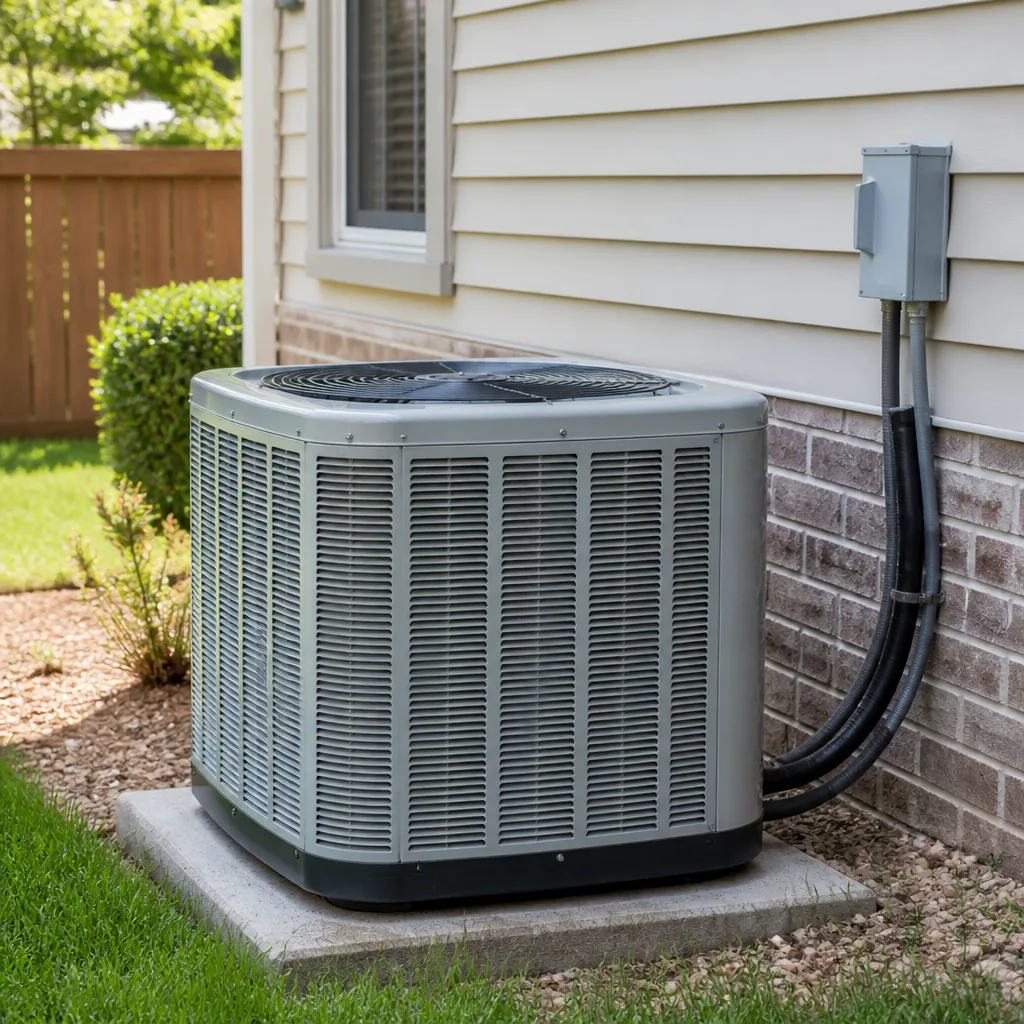
- Clogged condenser coils: Desert dust is the enemy of your outdoor unit. The condenser coil sits outside, and in Las Vegas, it accumulates a fine talc-like layer of dust, plus cottonwood seed fluff in June and construction dust in developing neighborhoods. A clogged condenser cannot reject heat, which raises system pressure, which triggers the high-pressure safety switch, which shuts the system off. Repeat that cycle enough and you have a dead compressor.
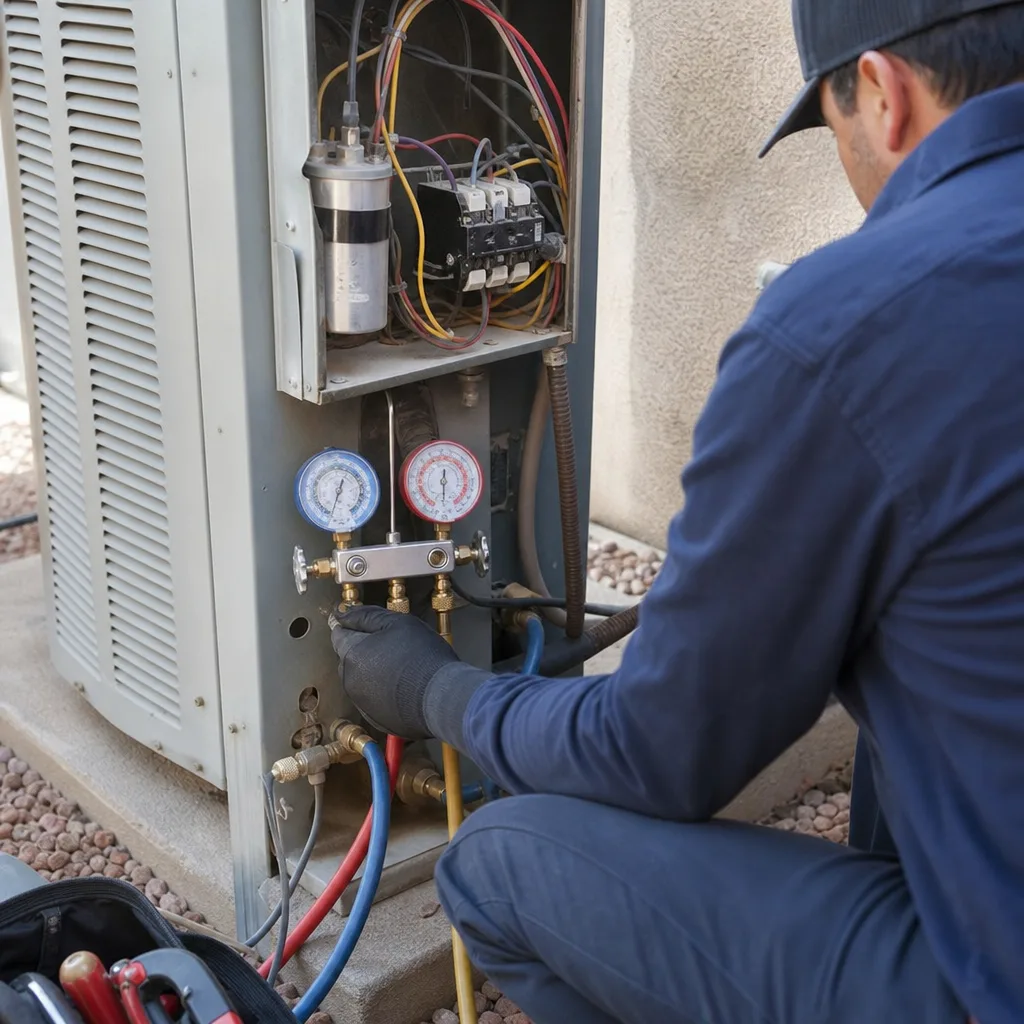
The fix for short-cycling depends on which of the three causes is present, and that requires a professional with manifold gauges and experience reading the exact symptoms. What you can do as a homeowner is keep the area around your outdoor unit clear of debris and have the condenser coil cleaned as part of regular AC Maintenance in Las Vegas. Coil cleaning in this climate is not a once-a-year luxury. It’s a survival requirement for your compressor.
Decoding HVAC Sounds: Squeals, Buzzes, and What They Mean
Your HVAC system has a limited vocabulary of sounds, and each one means something specific. The skill is knowing which sounds are normal, which require same-day service, and which can wait until your next maintenance visit without putting the system at risk.
A squealing or screeching sound from the indoor unit almost always means a belt problem or a failing blower motor bearing. Belt-driven blowers were common in systems installed before roughly 2005; newer systems use direct-drive motors without belts. If you hear a squeal that sounds like a slipping fan belt in a car, and your system is older, that’s likely a worn blower belt. It’s a low-cost repair – most blower belt replacements in Las Vegas run $85 to $150, parts and labor included. But if the squeal is more of a metallic whine or grinding, that’s a failing blower bearing, which is a more involved repair. The bearing cannot lubricate itself back to health, and running it will eventually seize the motor.
A buzzing or chattering sound from the outdoor condenser is usually the contactor – the electrical switch that starts the compressor and condenser fan. A contactor that buzzes is often a contactor with pitted or dirty contacts. It can still work for a while, but it’s working while generating heat at the contact point, and heat at that contact point can eventually weld the contacts closed or burn them open. A welded contactor means the compressor never shuts off, even when the thermostat is satisfied. That overheats and destroys the compressor quickly. In Las Vegas, where thermal stress is already the highest in the country, a buzzing contactor is a same-day repair. Most contactor replacements in Las Vegas run $120 to $220, parts and labor included.
A rattling sound from the outdoor unit can mean loose panels, debris inside the unit, or a failing condenser fan blade. Loose panels are cosmetic. Debris should be removed. A failing fan blade is a bigger issue because the condenser fan is what moves air across the coil to reject heat. If that fan is compromised, the system cannot reject heat, which returns us to the short-cycling and compressor death scenario described above.
A hissing sound from either the indoor coil or the refrigerant line set is usually refrigerant escaping. A hiss that only occurs during operation suggests a pinhole leak or a loose fitting. In Las Vegas, with our prolonged runtimes, a small leak can become a full charge loss within weeks. Hissing is always worth a call. If you hear hissing and the system is still cooling, the repair is likely a leak seal and a recharge – which we always quote as a written price before any work starts, because “recharge” without a leak repair is a temporary patch.
Which sounds require same-day service in Las Vegas? A buzzing contactor, yes. A metallic grinding from the blower, yes. A hissing sound, yes. A loose panel rattle can wait, but it should be on your list for the next maintenance visit. The key distinction: if the sound is electrical, refrigerant-related, or mechanical friction on a moving part, it is actively damaging something. If it’s just a loose cosmetic panel, it’s noise but not damage.
Reading Your Energy Bill as a Diagnostic Tool
Your NV Energy bill is a diagnostic instrument, and it’s the one you already have running 24 hours a day. The trick is learning to read it not as a monthly expense but as a performance report for your HVAC equipment. In Las Vegas, your cooling system accounts for 40 to 60 percent of your annual electricity usage, which means changes in HVAC performance show up as clear changes in kilowatt-hour consumption.
Here is how to read the numbers:
- A 5% to 10% year-over-year change in summer usage, corrected for degree-days (NV Energy publishes cooling degree-day data), is usually explained by weather variation, a change in thermostat habits, or one more person living in the home. It’s noise, not signal.
- A 15% to 20% increase against the same month last year, after adjusting for weather, is a signal. It typically means one of three things: a refrigerant charge that has drifted low, a condenser coil that is partially clogged with desert dust, or a blower wheel that is moving less air than it was. Each of those conditions forces the system to run longer to achieve the same cooling – which means more kilowatt-hours consumed. The fix here is usually a few hundred dollars, not a few thousand, if caught early.
- A 40% or greater increase is a failure in progress. It means the system is running nearly continuously and achieving less cooling. Common culprits we see in Las Vegas at this stage: a compressor that has lost significant capacity, a refrigerant leak that has reduced the charge by half or more, or an evaporator coil that has frozen and the system is running on electric resistance heat from the auxiliary strips (in heat-pump systems). At this stage, the repair is expensive, and the alternative – replacing the system – is starting to look like the financially rational decision.
A practical note: your bill also shows total kWh for the month. Divide that by 30 for daily consumption. During a Las Vegas July or August, a home that normally uses 60 kWh per day but suddenly jumps to 90 kWh per day on the same thermostat setting is telling you something. The system is working harder and delivering less. If you’re on NV Energy’s time-of-use plan, the cost per kWh varies by hour, so compare usage in kWh, not dollars – that removes rate-shift noise from the diagnosis.
The best practice is to pull your last 12 months of bills, look at June through September of last year, and compare against the same months this year. If you see a 15% or greater negative trend, schedule an inspection. At Furnace Repair in Las Vegas and across our service area, we run a written diagnostic and give you a written price before any repair is performed. If the diagnostic comes back clean, you’ll know the usage spike is behavioral, not mechanical – and that answer is worth the visit.
Carbon Monoxide and Gas Furnace Warning Signs
In Las Vegas, the winter heating season is short but real. Nighttime lows from December through February regularly drop into the 30s across the valley, and many homes use gas furnaces as their primary heat source. This means the most dangerous HVAC failure a homeowner can face – carbon monoxide production from a cracked heat exchanger – is a live risk in Las Vegas, not an abstract one from colder climates.
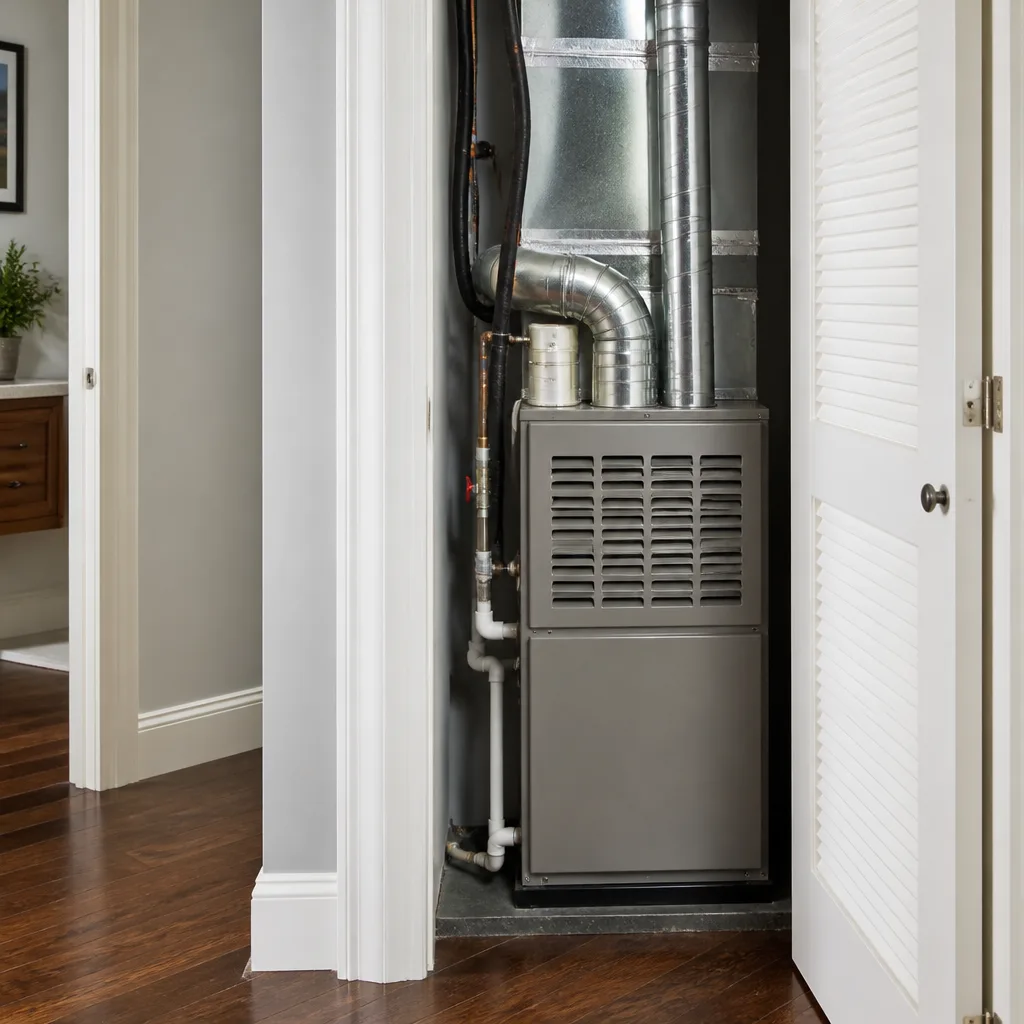
Carbon monoxide is produced by incomplete combustion of natural gas. In a properly functioning furnace, combustion gases are contained within the heat exchanger and vented to the outside. The heat exchanger is the metal chamber through which those hot gases pass while household air is blown across the outside surface – transferring heat without ever mixing the two air streams. When a heat exchanger cracks – usually from years of thermal expansion and contraction cycles – combustion gases can leak into the air stream that circulates through your home. That air contains carbon monoxide. A cracked heat exchanger is a life-safety issue that requires immediate shutdown, not a scheduled repair.
The warning signs specific to a cracked heat exchanger or improper combustion:
- A yellow or flickering flame instead of a steady blue flame in the burner chamber. Blue indicates complete combustion; yellow indicates impurities or incomplete combustion.
- Soot or black residue around the furnace cabinet, the burner area, or the vent connection. Soot means combustion byproducts are not being properly contained and vented.
- A smell that resembles burning metal or chemical odor when the furnace runs. This can be a sign that the heat exchanger is burning off material or that combustion gases are entering the air stream.
- Moisture inside windows or unusual condensation during furnace operation. This can indicate improper venting of combustion gases.
- Flu-like symptoms that appear when the furnace runs and improve when you leave the home – headache, nausea, dizziness, confusion. These are carbon monoxide poisoning symptoms. This is the one that saves lives if recognized.
Every home in Las Vegas should have a carbon monoxide detector that is less than 5 years old and is tested every 6 months. That detector is the last line of defense, not the first. The first line is understanding that a furnace that is producing CO is a furnace that must be shut off at the thermostat and at the gas valve. If you suspect a cracked heat exchanger or carbon monoxide production, shut the system down, ventilate the home, leave if symptoms are present, and have the furnace inspected immediately. This is not a repair question. It is a safety question, and it is the only HVAC situation where the correct response is to leave the house.
Carbon monoxide is genuinely dangerous because it is colorless, odorless, and non-irritating. You cannot detect it without an instrument. And in Las Vegas, where homes are tightly sealed for most of the year against the heat, a CO leak in winter has nowhere to dissipate. The gas accumulates. This is why we treat any combustion-related symptom as a same-day problem and why any furnace we inspect that shows heat exchanger compromise is red-tagged, not patched.
Odors Coming From Your HVAC System: What’s Normal and What’s Dangerous
Odors are the most subjective warning sign, and they’re also the one homeowners talk themselves out of addressing. In Las Vegas, several odor scenarios are common enough that they deserve specific attention.
Dusty or musty smell on the first startup of the season is normal. Dust settles on the heat strips or the heat exchanger during the months the system sits idle, and when heating mode starts, that dust burns off. The smell should disappear within an hour or two. If it persists, have the system cleaned.
A vinegar or acrid smell during cooling is not normal. In Las Vegas, a specific problem we encounter regularly is the “dirty sock syndrome” – a bacterial growth on the evaporator coil that produces a sour, vinegar-like odor when the coil gets wet during operation. It is not dangerous in the sense of being toxic, but it is persistent and will not resolve on its own. The coil needs to be cleaned and treated. In Las Vegas’s low-humidity climate, this is actually less common than in humid regions, but it does occur in homes with water leaks, high indoor humidity from large family loads, or coils that have accumulated bio-growth over time.
A burning electrical or hot plastic smell is the one to treat as urgent. It can mean an overheating motor winding, a failing capacitor that is leaking electrolyte, or a wiring connection that is arcing. Any of those is a fire hazard. Shut the system down at the thermostat and the breaker and get someone out. In a Las Vegas summer, shutting down the AC is miserable, but a house fire is worse. This is a same-day call, and it’s one of the few where the correct action from the homeowner is to turn the system off before calling.
A natural gas or sulfur odor (rotten eggs) when the furnace operates is provided as a safety marker by the gas utility, which adds mercaptan to natural gas for exactly this reason. If you smell gas, do not operate electrical switches, do not use your phone inside the home, get everyone out, and call the gas utility and 911 from outside. That is not an HVAC repair. That is a gas leak and it is a life-safety event.
The general rule for Las Vegas homeowners: dust on startup is normal, vinegar in cooling is a coil cleaning issue, burning plastic is urgent, and gas or sulfur is an emergency. Know the difference, because the response time matters.
See the difference
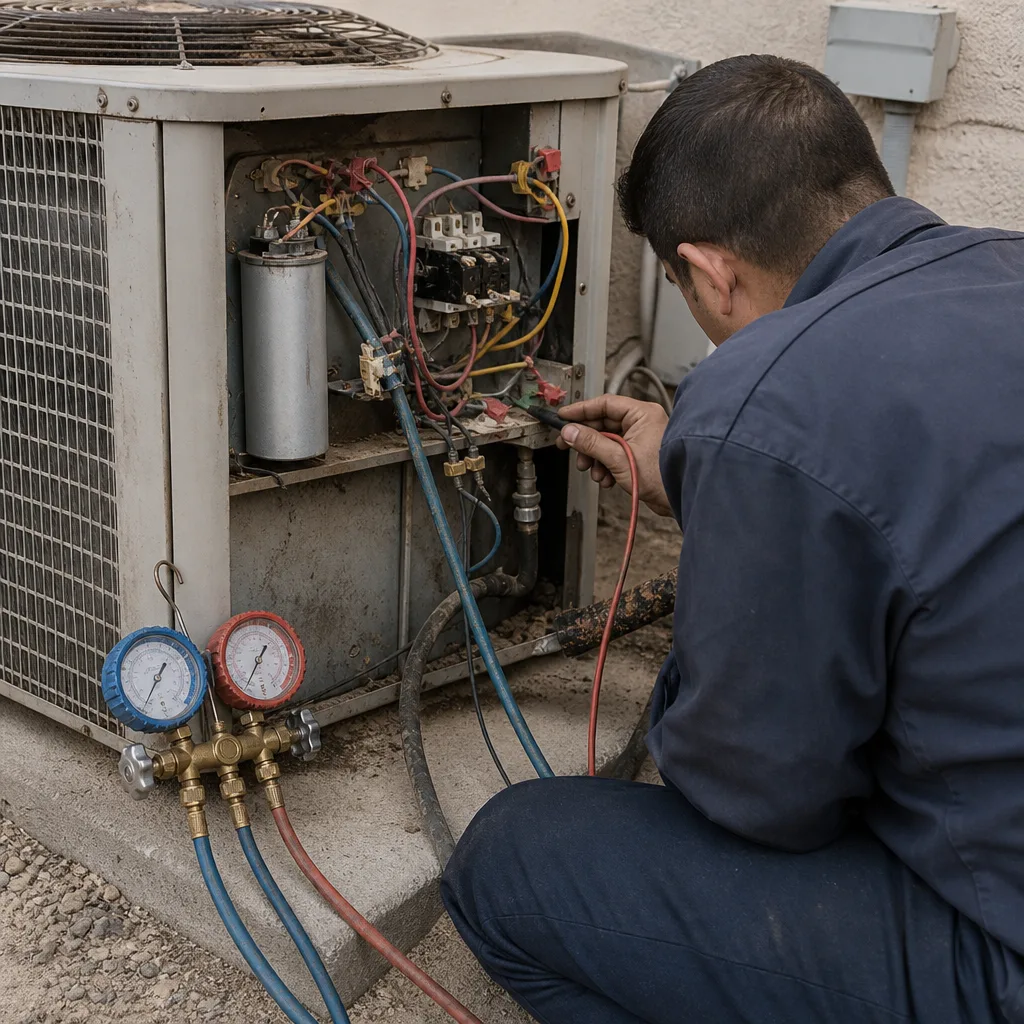 Before
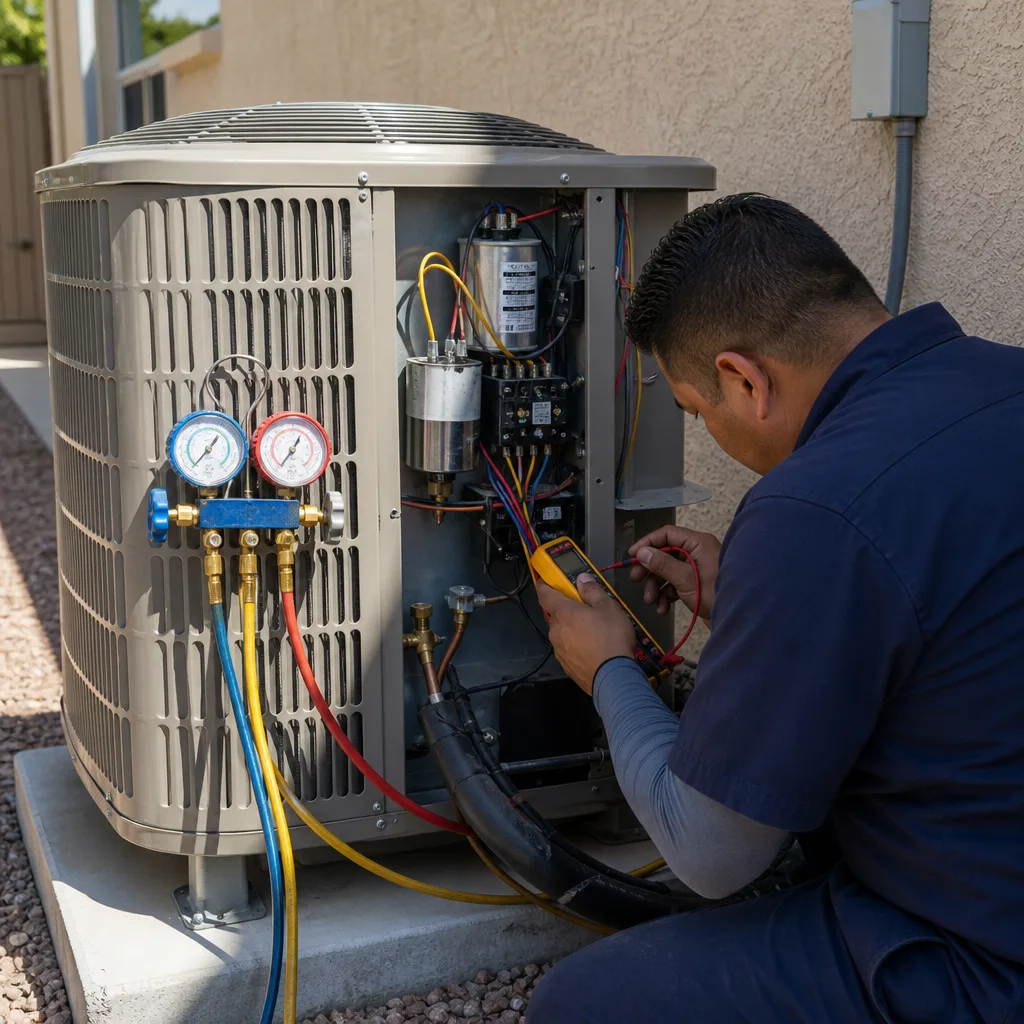 After
After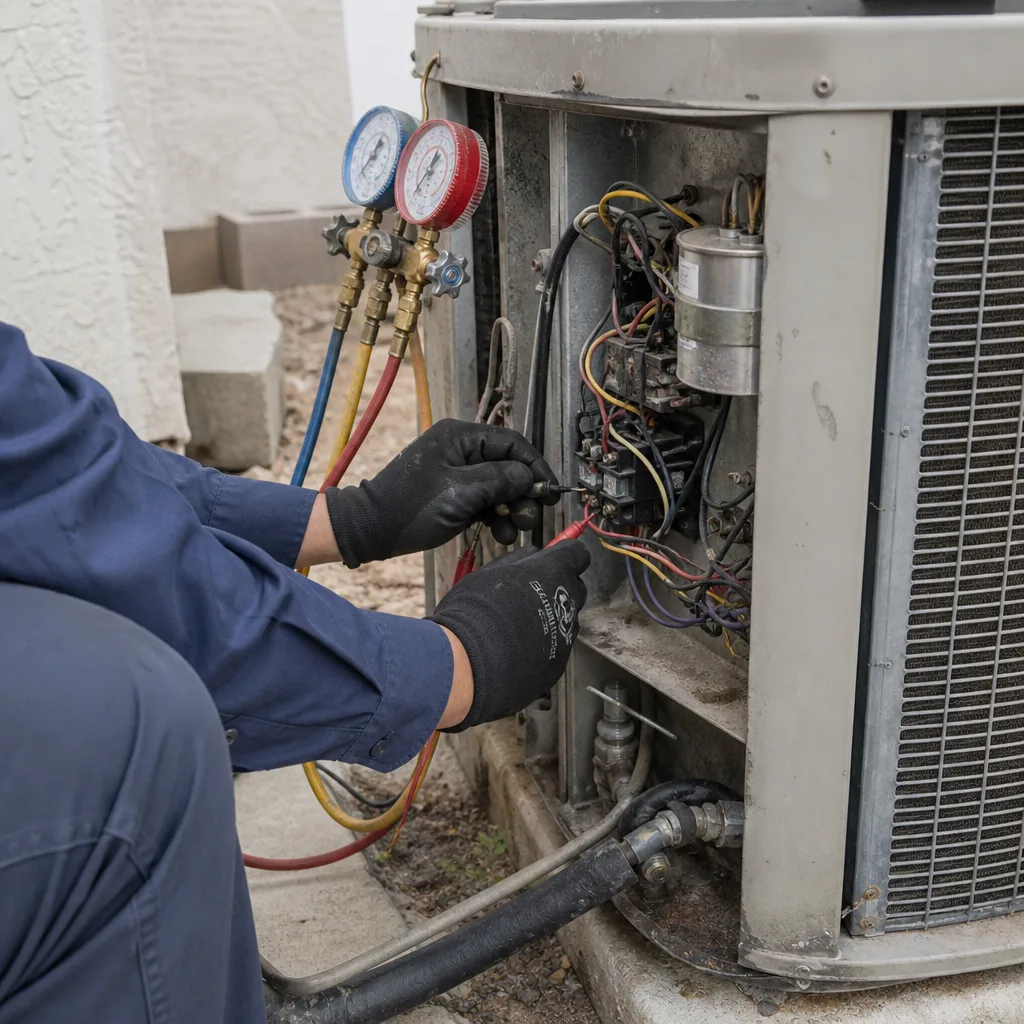 Before
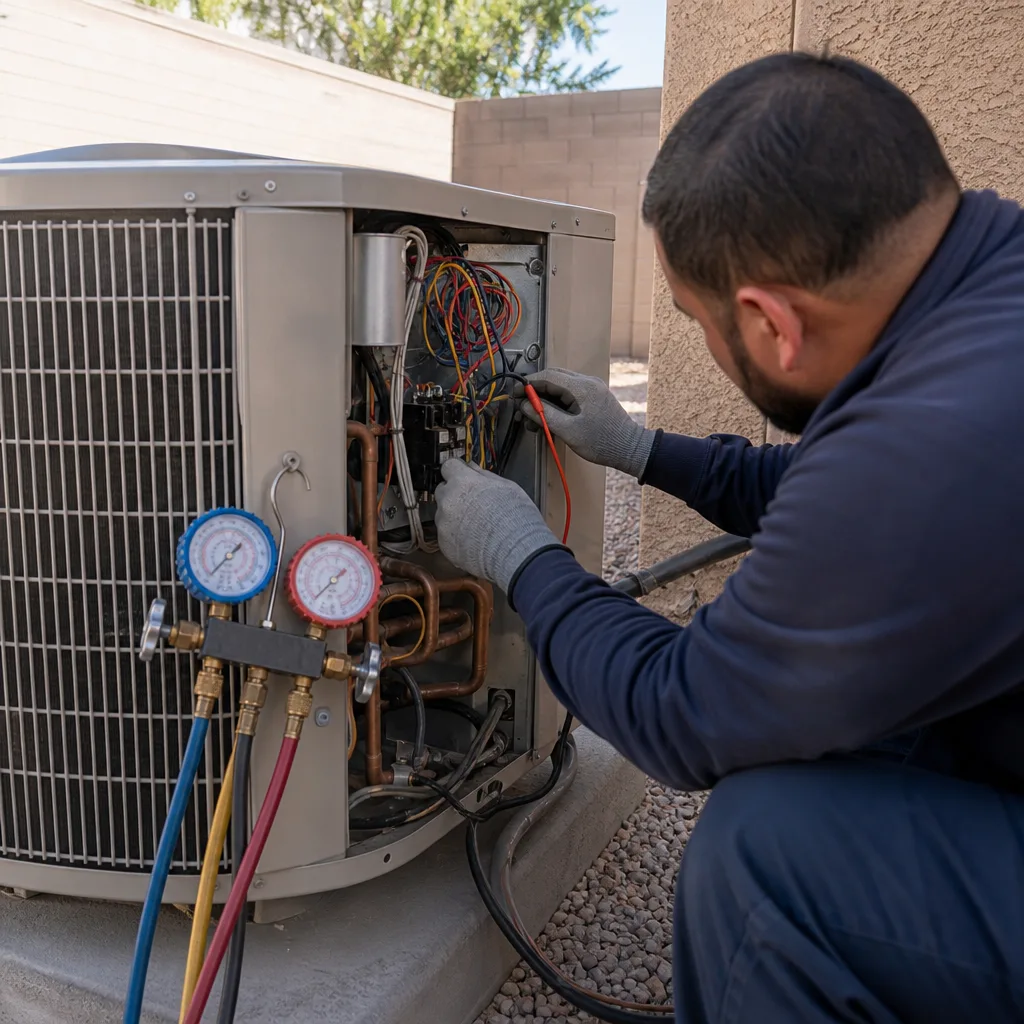 After
After Before
 After
AfterCommon Mistakes to Avoid
- Ignoring a 12-degree temperature differential in May because the house “still feels okay.” In Las Vegas, May temperatures are mild, so a struggling system can still hold 78 degrees indoors. By July, that same system will fail to hold 85. The differential test is the early warning system – run it in May, not in August when the failure is already happening.
- Replacing a refrigerant charge without finding the leak. In Las Vegas, a “recharge” without a leak repair is a temporary patch. The refrigerant will leak back out, the system will underperform again, and you’ll have paid for refrigerant that leaked into the atmosphere. A proper repair finds the leak, fixes it, and then recharges – once. This is exactly why the written price before work matters: you should know whether you’re paying for a recharge or a recharge plus a leak repair.
- Ignoring short-cycling because “the house is still cool.” Short-cycling is not about your comfort. It’s about compressor life. A short-cycling system in Las Vegas can destroy a compressor in one summer. The house feels fine until the day the compressor dies, and then the house is 95 degrees and the repair is a $4,000 compressor or a system replacement.
- Blocking or covering your outdoor condenser unit to “protect” it or hide it. The condenser needs airflow. Full airflow, in every direction, at all times. Shade structures that restrict airflow, covers that trap heat, fences built too close – all of these reduce the condenser’s ability to reject heat, and in Las Vegas heat, that kills compressors.
- Waiting on a noisy part because it’s “still working.” A buzzing contactor works until it doesn’t. A squealing bearing works until it seizes. In Las Vegas, where system replacement parts are often in high demand during summer, a failed part in July means waiting longer for service. The time to fix the noise is before it becomes a failure.
- Assuming the energy bill spike is just the utility raising rates. Las Vegas has seen rate adjustments, but a 15% to 40% usage increase that is not explained by rate changes or weather is a mechanical problem. Compare kWh, not dollars, to see the truth.
- Running a furnace with any combustion concern, even for “one more night.” A cracked heat exchanger does not repair itself, and carbon monoxide does not negotiate. If the furnace is showing combustion symptoms or you have a CO detector going off, shut it down. The stakes are life and death, not comfort.
When to Call a Professional
There are warning signs you can monitor yourself and there are warning signs that require a professional diagnosis and repair. The dividing line is simple: if the symptom involves refrigerant, electrical components, gas combustion, or a compressor, it’s a professional job. These systems operate under high pressure, high voltage, or produce combustion byproducts, and every one of them is dangerous to a homeowner working without training and tools.
Refrigerant, for example, operates at pressures that can cause serious injury if released improperly. Electrical work on a condenser requires understanding of capacitors, which store enough charge to stop a heart. Gas furnace diagnosis requires combustion analysis equipment. These are not DIY projects, and in Las Vegas, where the climate amplifies every HVAC failure, the cost of a wrong diagnosis is not just the repair cost – it’s the cost of a system failure during the worst heat of the year. AC Maintenance in Las Vegas through Brandt HVAC Co Las Vegas includes a written diagnostic and a written price before any work begins. Free estimates are available in Las Vegas – call (725) 502-1353.
Frequently Asked Questions
Twice a year: once before the cooling season (March or April) and once before the heating season (October or November). Las Vegas’s extreme summer and dusty environment make spring maintenance especially critical, because a system entering a 115-degree summer with clogged coils or a low charge is a system that will fail at the worst possible time. Follow our AC Repair Maintenance Checklist for Las Vegas Homeowners to stay ahead of problems. The pre-season visit catches problems while they’re still small and while your schedule is flexible.
A system that is properly maintained in Las Vegas typically lasts 12 to 15 years. The same system in a milder climate might last 18 to 20 years. The difference is runtime: Las Vegas systems run more hours per year, which means more compressor starts, more thermal cycling on the heat exchanger, and more dust loading on every component. If your system is past year 12 and showing multiple warning signs, replacement economics start to make sense.
The standard framework is the $5,000 rule: multiply the repair cost by the age of the system, and if the result exceeds $5,000, replacement is likely the economically rational choice. In Las Vegas, there’s an additional consideration: a system that has failed once in extreme heat is likely to fail again, and the cost of being without cooling in a Las Vegas summer is not just the repair bill, it’s hotel nights, health risk, and emergency-service pricing. A repair quote from a reputable company will come as a written price, and that price should include enough context to make this calculation for yourself.
A system that runs continuously and never reaches setpoint in Las Vegas is most commonly suffering from one of three conditions: a low refrigerant charge (leak), a frozen evaporator coil (often caused by the low charge or restricted airflow), or a blower motor that is not moving enough air. All three are addressable, but all three require a professional diagnosis. In the meantime, the system is consuming full electricity while delivering partial cooling – which means you’re paying for cooling you’re not getting.
A 40% increase in kWh usage in July at the same thermostat setting is a failure in progress. The most likely candidates are a compressor that has lost significant capacity, a severe refrigerant leak, or a frozen evaporator coil that is forcing the system to run on emergency electric heat. At this stage, the repair is significant and the smart homeowner is comparing repair cost against system replacement cost – and getting both prices in writing before deciding.
It depends on the smell. A dusty smell on the first startup of the season is normal and resolves within an hour or two. A burning electrical or hot plastic smell is urgent and means the furnace should be shut down at the thermostat and the breaker. A natural gas or sulfur smell means everyone should leave the home immediately and the gas utility should be called from outside. Never run a furnace with a persistent burning or gas odor – the risk is fire or carbon monoxide poisoning, and neither gamble is worth taking.
The Bottom Line
Las Vegas is the most demanding HVAC environment in the contiguous United States, and it punishes neglect faster than any other market. The warning signs are there if you know how to read them: a temperature differential that drops below 15 degrees, a system that short-cycles more than four times an hour, a condenser that buzzes, an energy bill that spikes by 15% or more, and any combustion-related odor from your furnace. None of these require panic. All of them require attention – and in Las Vegas, attention in May is a $300 repair, while inattention in July is a $7,000 replacement. For year-round protection tips, read our Seasonal HVAC Care for Las Vegas: Year-Round Homeowner’s Guide. Brandt HVAC Co Las Vegas offers free estimates throughout Las Vegas. Call (725) 502-1353 and get a written price before any work begins.
Written by Devin Marlowe, Owner at Brandt HVAC Co Las Vegas, serving Las Vegas since 2003.