
Last updated October 16, 2026
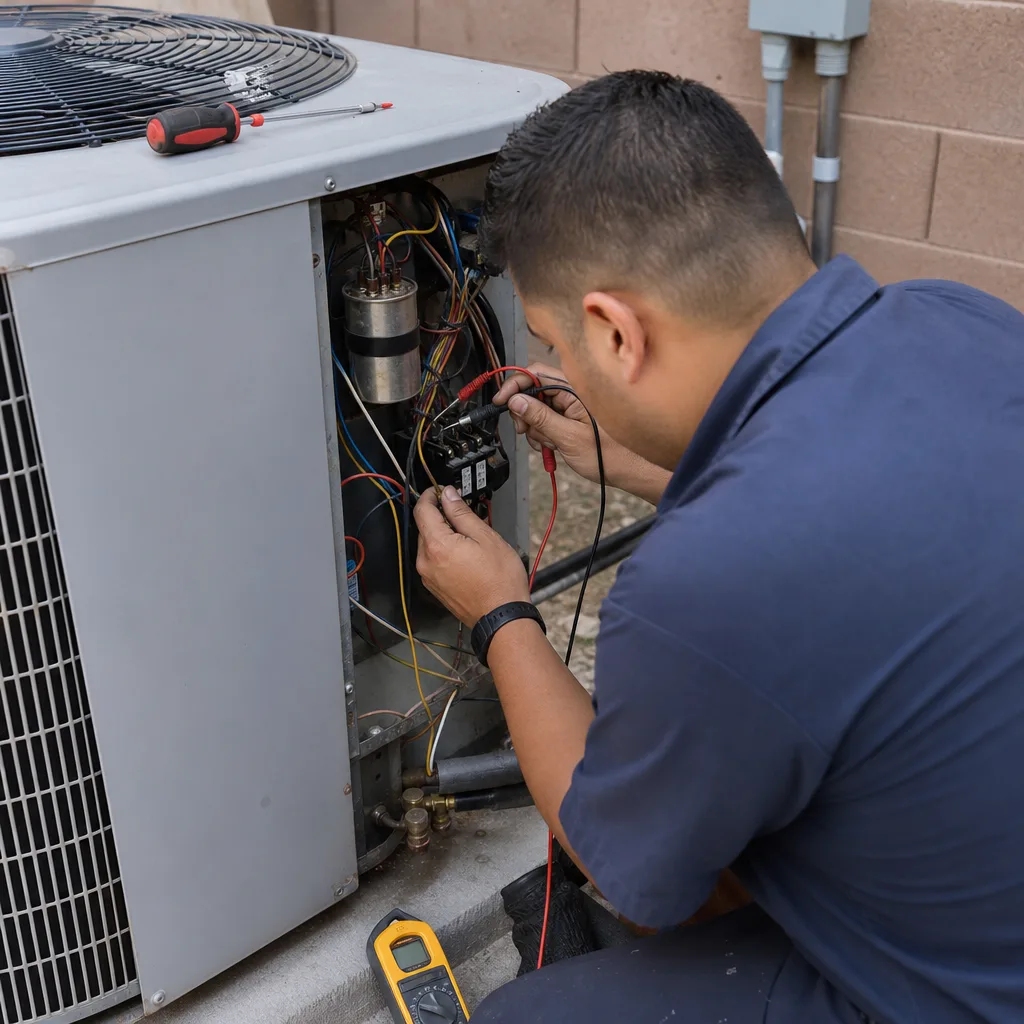
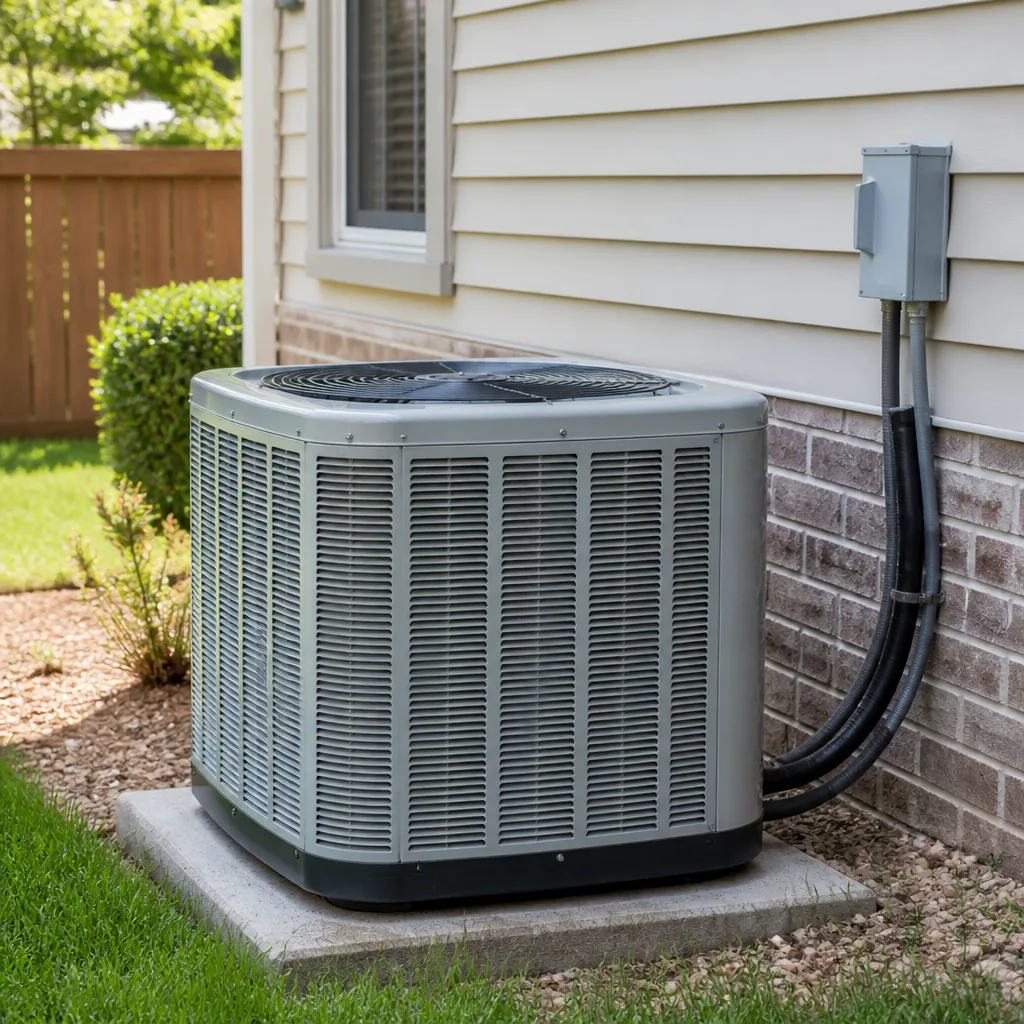 AC repair
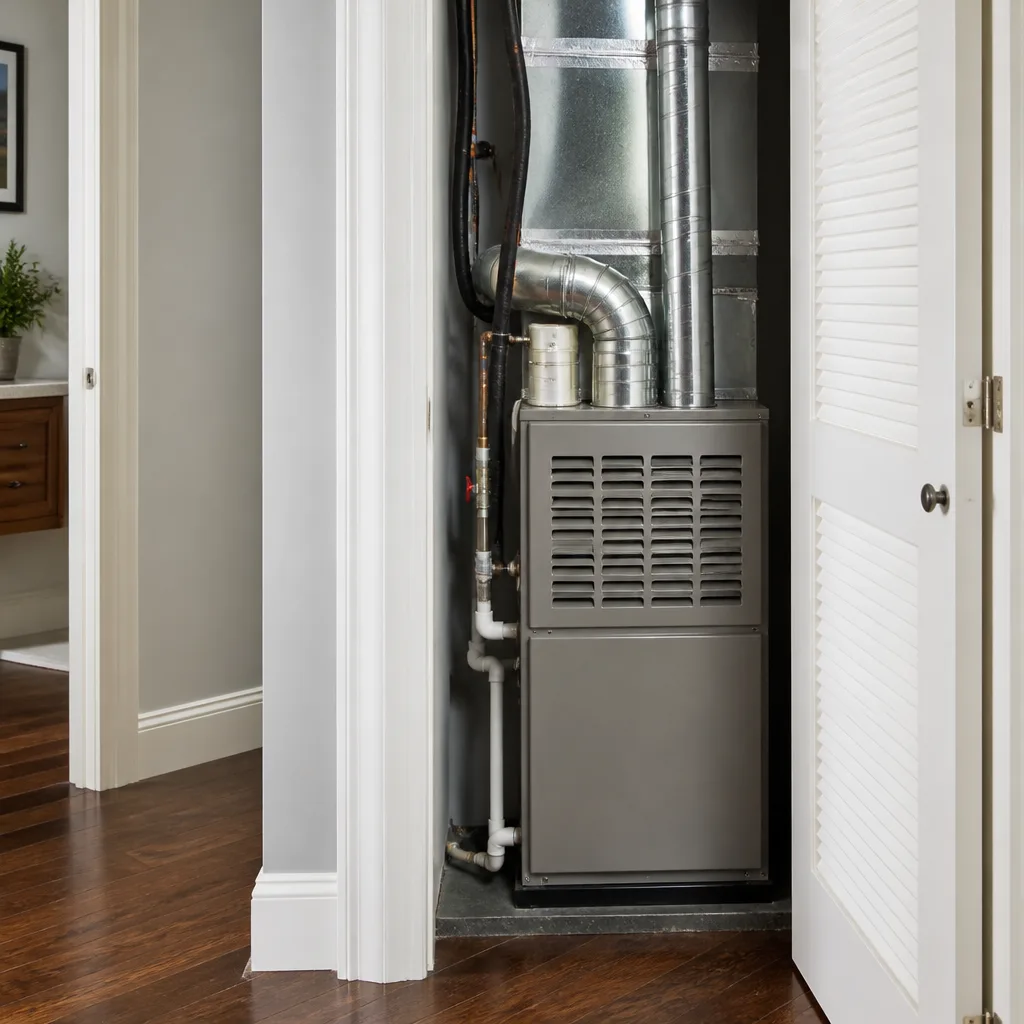 Furnace & heating
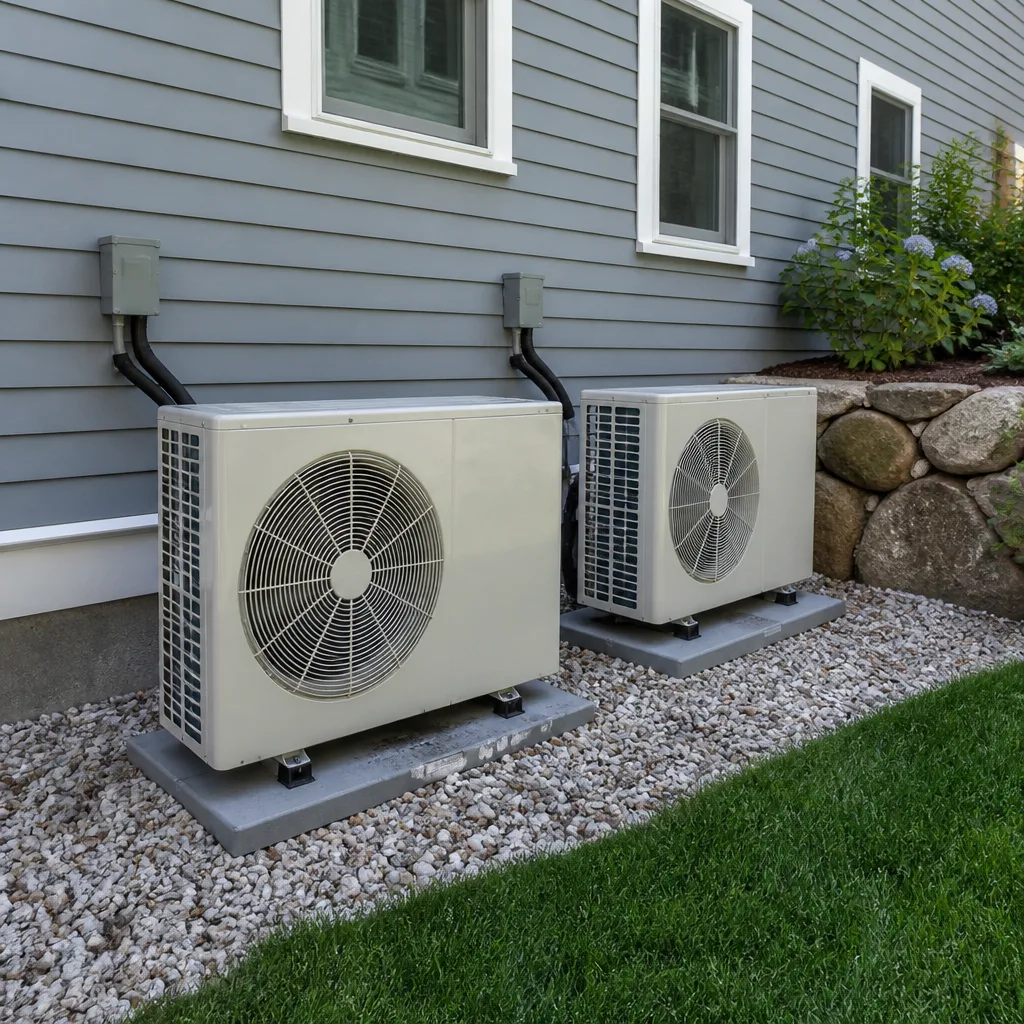 Heat pumps
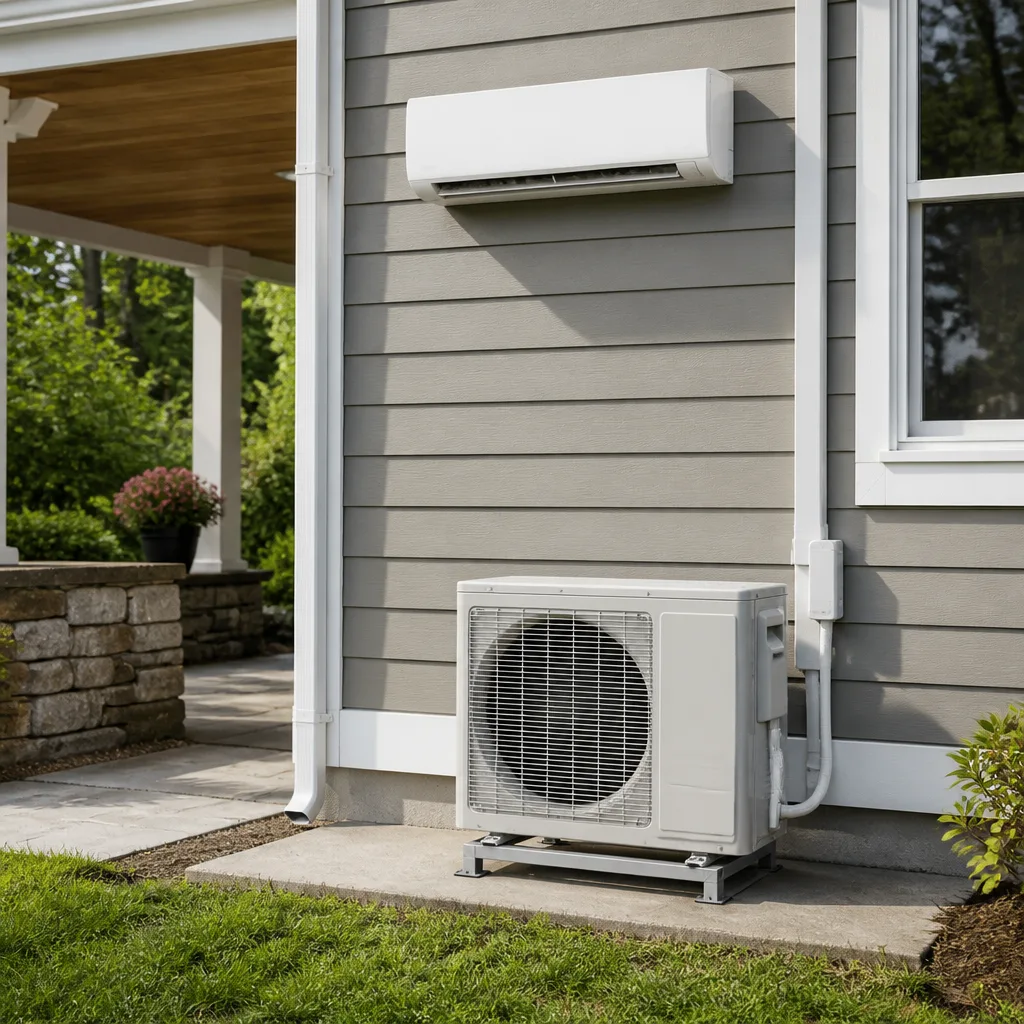 Ductless mini splits
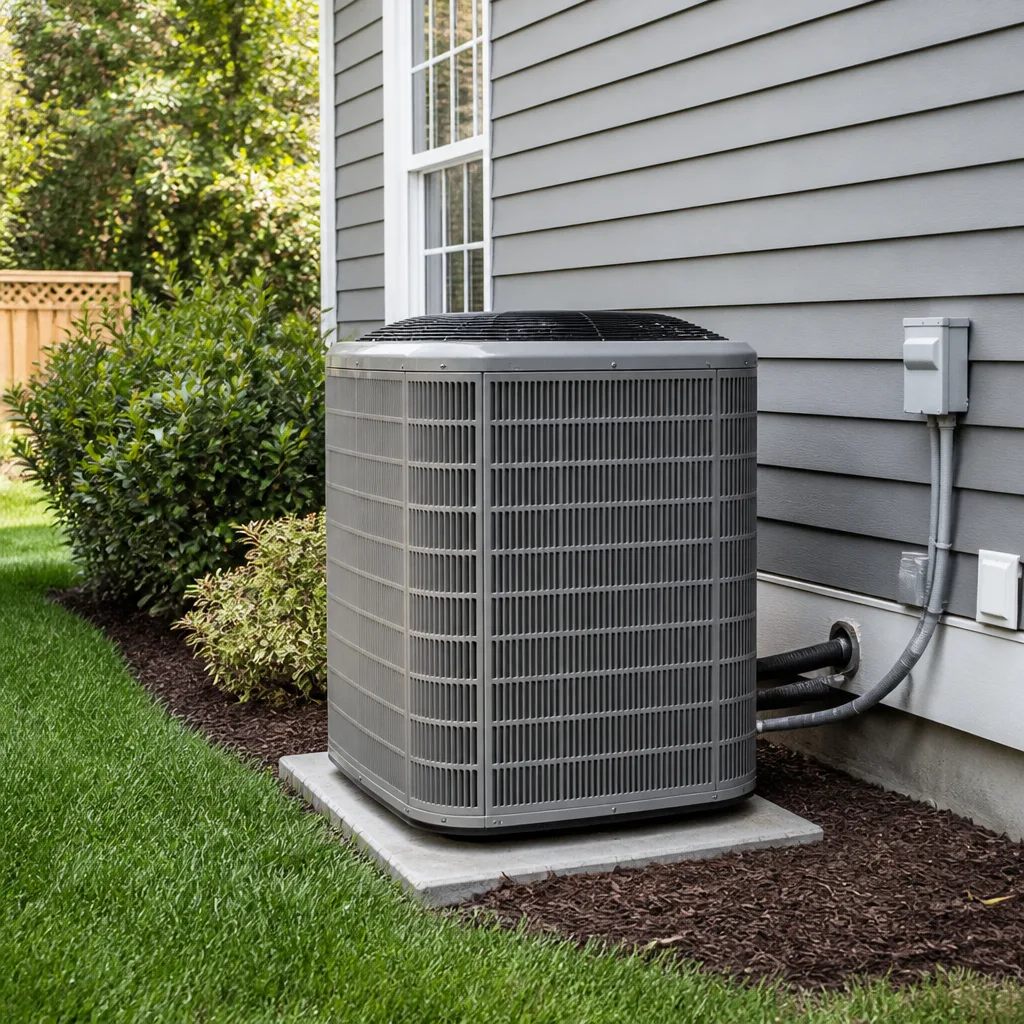 Carrier
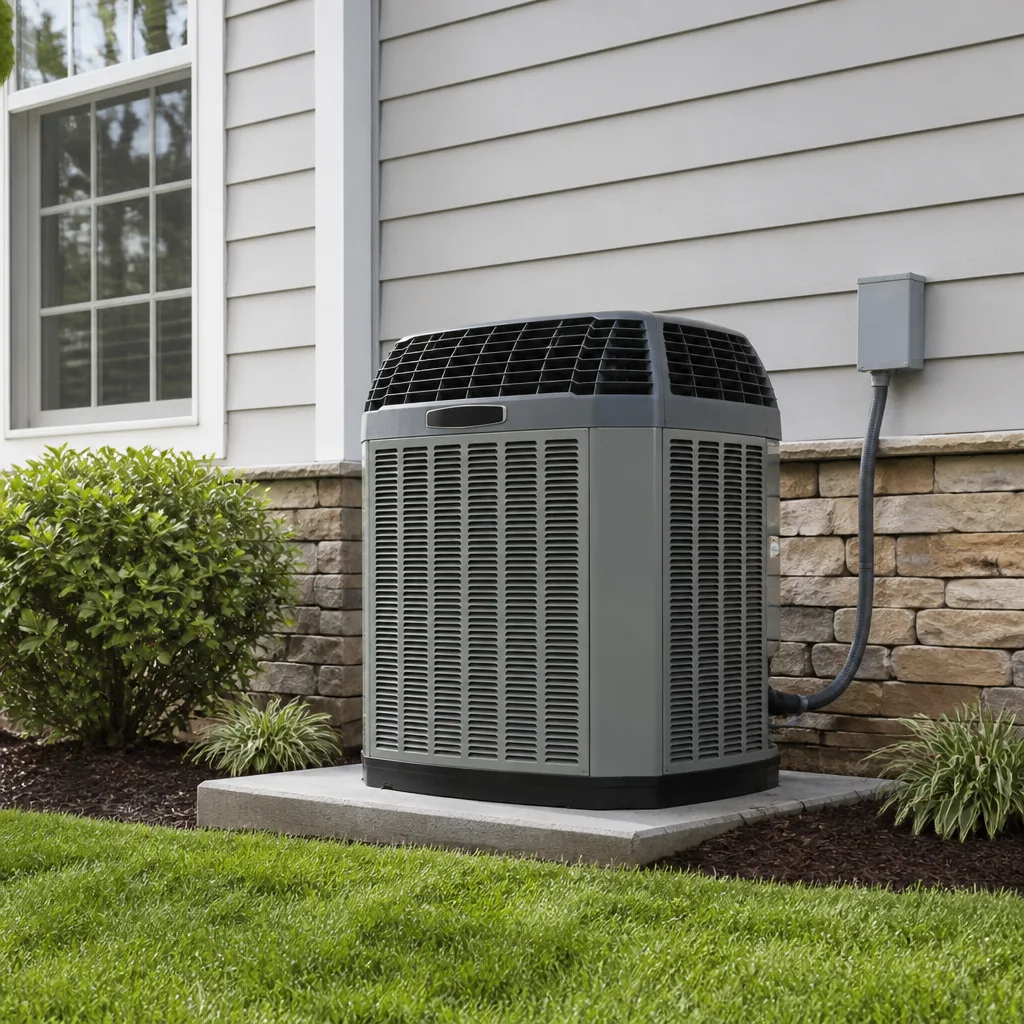 Trane
Trane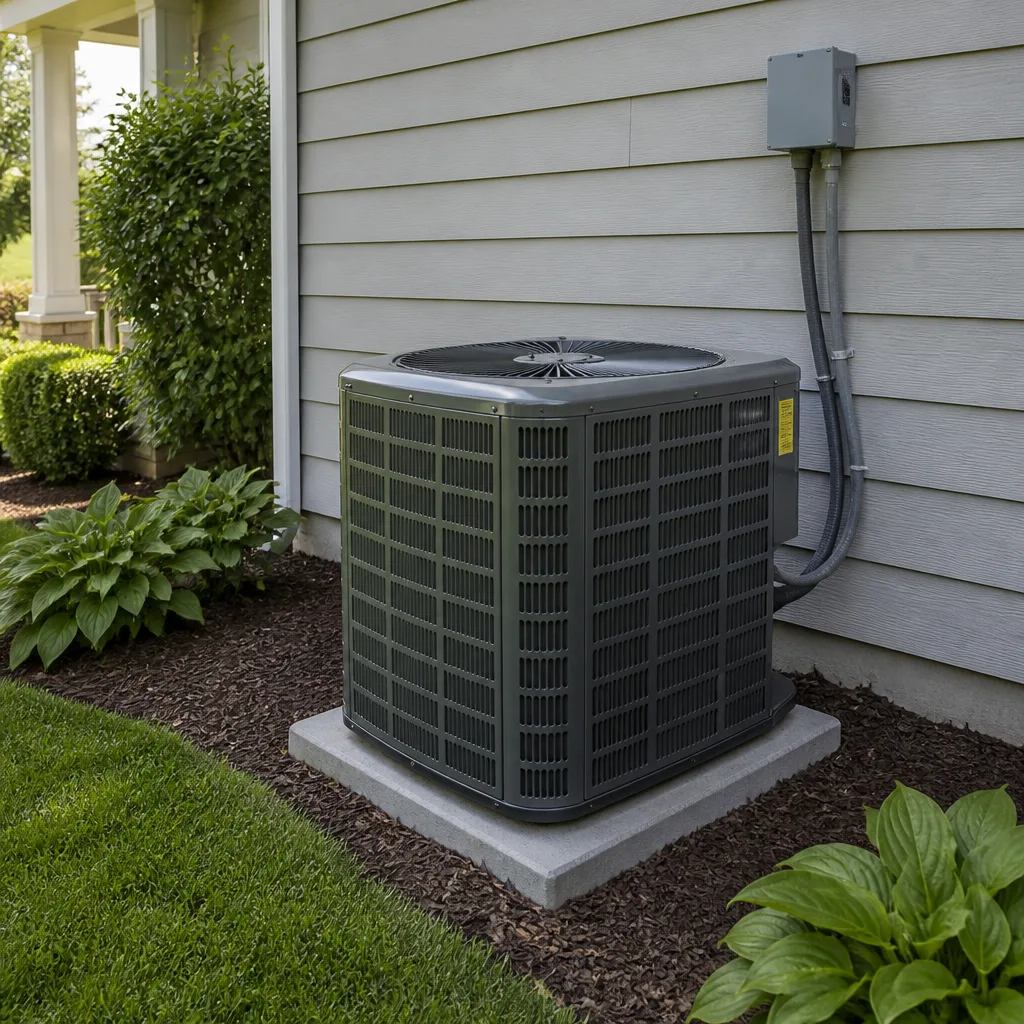 Goodman
Seasonal tune-up and full diagnostic on your Carrier, Trane, or Goodman system - readings shown to you before any repair is proposed
Diagnosis first, numbers second - you approve the repair price before a single part goes in.
Get your free estimateThe Complete Guide to HVAC in Las Vegas
Las Vegas averages 294 sunny days a year, which sounds like a perk until you realize your AC runs hard enough in a single summer to equal three years of wear on a system in Chicago. Most HVAC advice online was written for places with four mild seasons and occasional heat waves. That advice fails here. In the Mojave, your system is not an amenity. It is a life-support machine that runs from April through October, often without a single day of rest. This guide will teach you what actually happens to HVAC equipment in Las Vegas, what repairs cost here, how NV Energy billing affects your choices, and how to know exactly who is walking through your door when you schedule service. By the end, you will know more about desert HVAC than most general contractors in the valley. This is the reference we wish every homeowner in Las Vegas had before their first 110-degree breakdown.
Styles & brands we work with
Quick Answer
The complete guide to HVAC in Las Vegas comes down to this: cooling a home here is a different discipline than anywhere else, because your AC runs roughly 3,000 to 4,500 hours per year and is the largest single line item on your NV Energy bill. A properly sized, dust-protected, and well-maintained system in Las Vegas should last 12 to 15 years; a neglected one routinely dies in 8 to 10. Every repair should come with a written price before work begins and a written guarantee after it is done. A full system replacement in Las Vegas runs roughly $8,000 to $16,000 depending on home size, efficiency tier, and duct condition.
Table of Contents
- The Desert Is Not a Metaphor: How Las Vegas Actually Consumes HVAC Equipment
- How Equipment Is Sized for Las Vegas: Why Generic Charts Get It Wrong
- The Four Local Failure Points Competitors Never Mention
- What HVAC Repairs Cost in Las Vegas: Real Price Ranges
- NV Energy Rates and Your HVAC Bill: The Desert Rate Trap
- Caliche Soil, Ductwork, and Pad-Mounted Condensers: The Ground You Build On
- The Threshold Verified Standard: Why Identity Matters When the Door Opens
- Maintenance That Actually Matters in the Mojave: A Step-by-Step Routine
The Desert Is Not a Metaphor: How Las Vegas Actually Consumes HVAC Equipment
Most of the country designs HVAC systems around two modes: heating for winter, cooling for summer. Las Vegas flips that equation. Your furnace gets 20 or 30 cold starts per winter. Your AC gets hundreds per summer. The compressor in a Las Vegas condenser does not just run more hours; it runs at higher ambient temperatures, which changes how efficiently refrigerant moves heat. At 115 degrees outside, the condenser coil is trying to reject heat into air that is already 115 degrees. That is the thermodynamic equivalent of bailing water from a boat during a rainstorm.
Here is the number that matters. In a mild climate like Seattle or Chicago, a residential AC system typically accumulates 1,000 to 1,500 run-hours per year. In Las Vegas, that same system will log 3,000 to 4,500 hours. Three years of wear in a single season. This is not marketing language; it is a mechanical fact. Compressors, capacitors, contactors, and fan motors are rated in operating hours, and in Las Vegas, you burn through those hours faster than anywhere else in the continental United States outside of Phoenix and parts of far southern Texas.
The name Brandt has a fitting origin story. It comes from an old word for a firebrand, a burning stick carried to light a fire. The work of keeping a home comfortable in Las Vegas is the same idea in reverse: managing heat so it does not consume your house. We have been doing that since 2003, and in that time we have watched the Las Vegas Valley grow from a few hard desert subdivisions into one of the most demanding residential HVAC markets in the country. The lesson we have learned, and the one this guide will return to again and again, is that standard advice fails here. What follows is specific to this city, this climate, and this soil.
How Equipment Is Sized for Las Vegas: Why Generic Charts Get It Wrong
Most HVAC equipment sizing starts with a rule of thumb: roughly 500 to 600 square feet of living space per ton of cooling capacity. That rule was built for average conditions in average places. Las Vegas is not average. A Manual J load calculation, the engineering standard for sizing residential HVAC, must account for several inputs that generic charts simply ignore. When a contractor skips this step and uses a square-footage shortcut, the result in Las Vegas is almost always an undersized system that runs continuously from June through September, never reaches the thermostat setpoint on 110-degree days, and burns through compressors far earlier than a properly sized unit would.
Here is what a correct Manual J calculation for a Las Vegas home must include:
- Design temperature of 110 to 112 degrees Fahrenheit. Las Vegas routinely exceeds 110. The sizing calculation should use a design day temperature at or near that mark, not the 95-degree default baked into many national software presets.
- Window orientation and solar gain. West-facing windows in Las Vegas turn a room into a solar oven between 4 p.m. and 7 p.m. from May through September. The calculation must account for window area, glass type, shading, and cardinal orientation. A 2,000-square-foot home with heavy west glass can easily need a full half-ton more cooling than the same floorplan facing north.
- Attic insulation and radiant barrier condition. Las Vegas attics routinely hit 140 to 160 degrees in summer. If the original blown-in insulation has settled or compacted, the cooling load increases measurably. A proper calculation inspects and accounts for attic conditions, not a guess.
- Air infiltration rates specific to desert construction. Stucco and frame construction behaves differently than brick. Older Las Vegas homes from the 1970s and 1980s often have significant leakage around windows and exterior doors, which adds humidity load and cooling demand.
- Occupant count and heat-generating appliances. Home offices, gaming PCs, and extra occupants all add BTUs. In Las Vegas, where the 24-hour economy means odd schedules and more time indoors during peak heat, the occupancy assumption matters more.
An undersized system is not a minor inconvenience. It is a compounding failure. The compressor runs longer, absorbs more heat, and breaks down sooner. The homeowner pays for it twice: once in higher power bills and once in premature replacement. We have seen 2.5-ton units in Las Vegas homes that needed 4 tons, and the telltale sign is always the same: the thermostat set to 78, the air blowing at 65 degrees, and the house never getting below 82 on a hot afternoon. A real Manual J calculation, done by a technician who actually inspects the attic and windows, takes about an hour. It is the single most important step in any equipment replacement in this city.
The Four Local Failure Points Competitors Never Mention
Every HVAC breakdown has a cause. In Las Vegas, four causes dominate, and they are specific to this valley. Most national guides never mention them because most national guides were not written by people who have sweated in a Las Vegas attic. Here they are, in order of how often we see them.
1. Clogged condenser coils from dust storms. The Las Vegas Valley sits in a bowl that traps airborne dust. Haboobs and high-wind events push fine particulates into every exterior surface, including the condenser coil outside your home. A coil caked in dust cannot reject heat. The compressor works harder, runs hotter, and eventually trips a thermal overload or fails outright. The fix is simple and cheap: an annual coil cleaning. The failure is expensive: a burned-out compressor that can run $2,000 to $3,500 to replace. If you do nothing else on this list, rinse your condenser coil each spring.
2. Refrigerant loss from UV-degraded line insulation. The copper refrigerant lines that connect your indoor evaporator coil to the outdoor condenser run along the outside of your home or through the attic. In Las Vegas, the UV index is extreme, and the foam insulation on those lines degrades and cracks within a few years of installation. Once the insulation fails, the refrigerant inside runs hotter, efficiency drops, and the system loses charge over time through microscopic leaks that a diagnostic tech will eventually find. A low refrigerant charge is not a top-off situation. It is a leak that needs to be located and repaired before the system is recharged. In Las Vegas, where systems run constantly, even a 10 percent undercharge can add $40 to $70 to a summer power bill.
3. Blown capacitors from voltage spikes. Las Vegas has one of the most heavily loaded power grids in the country during summer afternoons. The local utility does its best, but voltage sags and surges are a fact of life here, especially in older neighborhoods with aging transformers. Capacitors, the inexpensive electronic components that give your compressor and fan motor the jolt they need to start, are the sacrificial victims of these voltage events. A failed capacitor is the single most common HVAC repair in Las Vegas, and it often announces itself first with a clicking sound from the outdoor unit. The part itself runs $10 to $40; the installed repair typically runs $150 to $300. Cheap fix, brutal timing. It always fails on the hottest afternoon of the year.
4. Cracked heat exchangers from thermal cycling. Las Vegas winters swing from overnight lows in the 30s to afternoon highs in the 60s, sometimes within 12 hours. That rapid thermal cycling stresses the metal in your furnace’s heat exchanger. Over years, especially in older furnaces, hairline cracks develop. A cracked heat exchanger is more than a comfort issue. It can release carbon monoxide into the airflow of your home. This is a genuine safety concern. If your furnace is more than 15 years old, or if you notice a flickering yellow flame or a sooty film around the burner area, shut it down and call a professional. Never try to inspect or repair a heat exchanger yourself. The stakes are too high.
These four failures are not random. They are predictable, local, and largely preventable with the right maintenance schedule and the right diagnostic approach. A Las Vegas HVAC company should know all four by name and check for all four on every tune-up. If the tech who shows up does not mention dust, UV degradation, voltage, or thermal cycling, they are working from a generic checklist that was not built for this city.
What HVAC Repairs Cost in Las Vegas: Real Price Ranges
Knowing what a repair should cost before you make the call changes the entire transaction. You stop being a customer hoping for honesty and become an informed buyer. Here are the price ranges we see across the Las Vegas Valley for the most common repairs, parts and labor included. These are real numbers from real jobs, not national averages diluted by cheaper markets.
| Repair | Typical Las Vegas Price Range | Notes |
|---|---|---|
| Capacitor replacement | $150 – $300 | Most common repair in Las Vegas; 30 – 45 minute job |
| Contactor replacement | $150 – $275 | Often fails alongside the capacitor |
| Condenser fan motor | $350 – $550 | Price varies by brand and motor type |
| Condenser coil cleaning | $90 – $150 | If part of an annual maintenance visit, often lower |
| Refrigerant leak repair and recharge | $500 – $1,200 | Depends on leak location and refrigerant type; R-410A refills are expensive |
| Furnace igniter replacement | $150 – $300 | Parts and labor included; takes about an hour |
| Thermostat replacement | $180 – $350 | Includes programming and system verification |
| Full compressor replacement | $2,000 – $3,500 | Often paired with coil replacement; may not make sense on older systems |
| Full AC or furnace replacement | $8,000 – $16,000 | Depends on efficiency tier, home size, duct condition, and brand |
A few notes on these numbers. First, any company that will not give you a written price before starting work is not a company you should let touch your equipment. The price should be in writing, it should include parts and labor, and it should be the price you pay unless the scope genuinely changes. That is how Brandt HVAC Co Las Vegas home works on every job we do. No exceptions.
Second, the cheapest quote is almost never the best deal. A low-priced capacitor replacement that comes with no guarantee, from a technician you cannot identify, on a system that gets reinstalled incorrectly, will cost you more when it fails again in three weeks. The question is not just what you pay today. It is what you pay over the life of the system and what happens if the repair does not hold, which is why our HVAC Cost Breakdown: The Las Vegas Homeowner’s Reference for 2026 helps you plan ahead.
Third, on older systems, repair versus replacement is a real calculation. If your compressor fails on a 12-year-old AC unit in Las Vegas, the $3,000 compressor job does not double the life of the unit. It buys you two or three more seasons, at best. A new system runs $8,000 to $16,000 but comes with a 10-year parts warranty on most brands and cuts your cooling bill by 20 to 40 percent if your old unit was a low-efficiency model. In Las Vegas, where the AC runs half the year, the efficiency math often favors replacement sooner than it would in a cooler climate.
NV Energy Rates and Your HVAC Bill: The Desert Rate Trap
NV Energy, the primary electric utility in Las Vegas, uses a time-of-use rate structure for most residential customers. That means the price of a kilowatt-hour changes depending on when you use it. The details matter, because your HVAC system is the single largest consumer of electricity in your home. Understanding the rate structure is not a hobby for energy nerds. It is the difference between a $250 summer bill and a $450 one.
Under NV Energy’s standard residential time-of-use plan, on-peak hours in summer run from 1 p.m. to 7 p.m. on weekdays. That is precisely when Las Vegas temperatures peak and when your AC works hardest. The on-peak rate is significantly higher than the off-peak rate. Here is how that plays out in practice:
- Your AC runs continuously from about 2 p.m. to 6 p.m. At that point, the outdoor temperature is at or above the design condition, and the system has no recovery time.
- Every hour of on-peak cooling costs roughly double what the same hour would cost at 9 a.m. or 9 p.m. The exact ratio varies by plan, but the principle holds.
- The result is a lopsided bill. A large portion of your monthly electricity cost is generated during roughly 20 to 25 on-peak afternoon hours per week across the summer.
This rate structure should shape your equipment decisions. A high-efficiency system, a SEER2 16 or 17 or better, will cool the same home with less electricity. During on-peak hours, that efficiency difference is worth more per hour in Las Vegas than it would be in a flat-rate market. A two-stage or variable-speed system that ramps down in the evening also saves money by matching output to demand instead of blasting full capacity all day.
There is a second NV Energy consideration. The utility offers time-of-use plans with lower off-peak rates for customers who shift heavy loads to the evening and overnight hours. Pre-cooling the house in the morning, before the on-peak window begins, and then letting the system coast through the afternoon can cut a summer bill by 15 to 30 percent on the right plan. That strategy requires a well-insulated home and a properly sized system. In a poorly insulated house with an undersized AC, pre-cooling will not hold. The house will warm up within an hour or two, and you will be paying on-peak rates anyway to fight the afternoon heat.
The practical takeaway: in Las Vegas, your equipment choice is a financial decision as much as a comfort decision. A system with a SEER2 rating of 14 costs less upfront than one rated at 17, but the difference in operating cost adds up quickly when the unit runs 3,000 hours a year and a large share of those hours fall in the most expensive pricing window of the entire day. We work through this math with every replacement customer, because it is the part of the purchase that will still matter five years from now.
Caliche Soil, Ductwork, and Pad-Mounted Condensers: The Ground You Build On
The Las Vegas Valley sits on alluvial deposits laced with caliche, a hard, cement-like layer of calcium carbonate that forms just below the surface in much of the valley. Caliche is a fact of life for anyone who digs here. It is also a factor in HVAC performance, though no generic guide ever mentions it.
For a pad-mounted condenser, the concern is settlement and tilt. When a concrete pad is poured directly on caliche-rich soil, summer heat and the occasional monsoon rain cause the ground to expand and contract. Over time, the pad can shift, and the condenser begins to sit slightly off level. A condenser that tilts more than a few degrees puts stress on the compressor mounts, impairs oil circulation inside the compressor, and eventually shortens its life. The fix, when we see a condenser out of level in Las Vegas, is to re-level the pad or install a composite pad that distributes weight more evenly across the caliche. It is a small thing that prevents a big failure.
Ductwork is a different and larger problem. Most Las Vegas homes built before 2000 have ductwork running through the attic, where summer temperatures regularly reach 140 degrees. The ductwork itself, typically fiberglass-wrapped flexible duct, degrades over time. The outer vapor barrier cracks, the insulation layer compresses, and the ducts begin to leak. Leaking ducts in a hot attic mean conditioned air escapes into a space where it does no one any good. The Department of Energy estimates that typical duct systems lose 20 to 30 percent of conditioned air to leaks. In a Las Vegas attic, given the extreme temperature differential, that number can be even higher.
The right response is a duct inspection as part of any major HVAC job. We look for disconnected runs, collapsed sections, and degraded insulation. In many Las Vegas homes, sealing and insulating the ducts is a better first investment than a new air conditioner, because a new high-efficiency unit connected to leaking ducts is just an expensive way to cool an attic. Duct sealing costs a fraction of a new system and pays for itself in lower power bills, often within a single season.
The Threshold Verified Standard: Why Identity Matters When the Door Opens
Here is a thing we know from spending more than two decades in Las Vegas homes. The moment a homeowner schedules an HVAC repair, especially an emergency repair on a July afternoon, they are making two decisions at once. The first is about equipment. The second is about trust. You are letting a stranger into your home, and in Las Vegas, that call is often made quickly, under pressure, when the house is 90 degrees and climbing.
The Threshold Verified standard exists because that second decision should never be a gamble. Every technician on a AC Repair in Las Vegas call should be background-checked, identity-verified, and introduced to you before they arrive. You should know their name. You should see their photo. They should hand you a photo ID badge at the door before they step inside. If the person who shows up is not the person you were told to expect, that visit should not proceed. That is not a comfort feature. It is a safety standard, and it matters especially in a city where service calls happen on nights, weekends, and holidays, when the person at the door is sometimes home alone or answering with an infant in the other room.
We built our company around this standard because the alternative is unacceptable. A uniform and a magnetic decal on a truck do not tell you who someone is. A verifiable identity, sent to you in advance and confirmed at the door, does. When you call Brandt HVAC, a live person answers the phone, 24 hours a day, 7 days a week. No voicemail, no callback queue, no automated phone tree. You tell that person what is happening, and they tell you exactly who will arrive, when they will arrive, and what they look like. If anything does not match, that visit is on us and we make it right.
This is not a warranty on parts. It is a commitment about people, and it is the baseline standard for any company entering a Las Vegas home. We mention it here because it is the difference between an HVAC company you call when you have to and one you call when you need something done right.
Maintenance That Actually Matters in the Mojave: A Step-by-Step Routine
Most maintenance advice is too generic to be useful. Annual tune-ups are a fine idea, but a tune-up in Las Vegas needs to address the specific failure points of this climate, not just change a filter and call it done. Here is the routine we recommend, in the order that matters, and why each step exists.
- Clean the condenser coil every spring. Dust storm season in Las Vegas runs from late spring through early fall, and the coil outside your home is the first thing that dust hits. A clean coil rejects heat efficiently. A dirty one causes the compressor to work harder and fail sooner. Rinse it with a garden hose and a coil cleaner designed for the job. Turn the power off first.
- Replace the air filter on a schedule you actually keep. In Las Vegas, where dust is a constant, we recommend checking the filter every 30 days during peak cooling season. A clogged filter restricts airflow, which causes the evaporator coil to freeze and the system to shut down. Replace it when it is visibly dirty, not when the calendar says to.
- Inspect the refrigerant line insulation. Walk the exterior of your home and look at the copper refrigerant lines. The foam insulation should be intact. If it is cracked, flaking, or missing in sections, that is a UV-degradation problem that needs attention. Re-insulating the lines is a small, inexpensive job that protects system efficiency.
- Test the capacitor on every AC Maintenance in Las Vegas visit. A capacitor is a $20 part that causes a $250 emergency call when it fails on a Saturday afternoon in July. A good maintenance visit includes a capacitor check with a meter, and replacing a weak capacitor before it fails is one of the best returns on a maintenance dollar you will ever get.
- Check the thermostat calibration. A thermostat that reads 75 but actually measures 73 or 77 causes your system to run more or less than it should. It is a simple check that takes two minutes and saves real money over a Las Vegas summer.
- Inspect the condensate drain line. In a dry climate, condensation is less of a concern than in humid markets, but it still occurs. A clogged drain line can cause water damage and trigger a safety float switch that shuts the system down. A quick flush during the maintenance visit prevents that.
This routine takes about an hour, including the diagnostics. It is not a comprehensive overhaul of the system. It is the minimum work that a Las Vegas climate actually demands. We do this as part of every maintenance visit, and we write up a report of what we found, what we checked, and what, if anything, needs attention. You should never pay for a tune-up and walk away not knowing whether the technician actually looked at anything.
Common Mistakes to Avoid
- Skipping the Manual J calculation when replacing equipment. A square-footage guess cannot account for Las Vegas design temperatures, west-facing glass, or attic heat. You will end up with an undersized unit that never cools the house and dies early.
- Recharging refrigerant without finding the leak. A low charge is a symptom, not a problem. Paying to top off a leaking system, especially one using older R-22 refrigerant, is like putting air in a punctured tire every month. Find and fix the leak.
- Ignoring the ducts. A new high-efficiency AC connected to leaky, degraded ductwork in a 140-degree Las Vegas attic is a waste. Test the ducts first.
- Running a dirty condenser coil through dust season. This is the single most preventable cause of compressor failure in the Las Vegas Valley. A $100 cleaning prevents a $3,000 compressor job.
- Waiting until the first 110-degree day to schedule maintenance. Every HVAC company in Las Vegas is swamped on that day. The work still gets done, but it is more expensive, on a tighter timeline, and the technician has less time to be thorough. Schedule maintenance in March or April.
- Choosing a contractor based on price alone. The lowest bid on a replacement system often means skipped permits, skipped load calculation, and cheap equipment. You pay for it in operating costs and premature failure, and in Las Vegas, premature failure comes fast.
- Letting a stranger into your home without verification. You would not hand your keys to a person who claimed to be a locksmith without proof. The same standard should apply to HVAC. Know the person’s name, see a photo, and verify a badge at the door before they enter.
When to Call a Professional
Some HVAC work is safe to handle yourself, like changing a filter or rinsing a condenser coil with the power off. But the moment the problem involves anything electrical, anything refrigerant-related, or anything that could compromise safety, the right move is to call a professional. That includes any of these situations: the system trips a breaker more than once, you hear a buzzing or clicking sound from the outdoor unit with no cooling, the air blowing from the vents is warm, the refrigerant lines are icy or sweating heavily, you smell burning or a sulfur-like odor, or your furnace has a flickering yellow flame or soot around the burner. On the higher-risk issues, like a cracked heat exchanger or a refrigerant leak, do not attempt a fix yourself. Those problems require training, specialized tools, and in some cases, a license to handle refrigerant. Furnace Repair in Las Vegas should always be handled by a qualified technician when combustion safety is involved. Brandt HVAC Co Las Vegas offers free estimates in Las Vegas – call (725) 502-1353 and a live person will answer, day or night.
Frequently Asked Questions
A full system replacement in Las Vegas typically runs $8,000 to $16,000, depending on the size of your home, the efficiency tier you choose, the condition of your ductwork, and the brand. A mid-range system for a 2,000-square-foot home with a SEER2 rating of 16 or 17 and a matching furnace will usually fall between $10,000 and $13,000, and you can read How to Hire a HVAC Contractor in Las Vegas: A Step-by-Step Guide to ensure you choose the right installer. Call (725) 502-1353 for an exact written quote – estimates are free, and the price we quote is the price you pay.
Once per year is the minimum, and the best time is March or April, before the summer heat arrives. In Las Vegas, a system that is not serviced before dust storm season is much more likely to fail during a July heat wave, and emergency repairs during peak cooling demand are the most expensive calls you will ever make.
The most common causes in Las Vegas are an undersized system, a dirty or clogged condenser coil, a low refrigerant charge, or leaking ductwork in a hot attic. When outdoor temperatures hit 110 degrees or higher, an older system that was sized for a 100-degree design day will struggle. A qualified diagnostic visit can tell you which problem you have, and the answer usually comes down to one of the four local failure points described earlier.
In most cases, yes. Common repairs like capacitors, contactors, and fan motors are same-day jobs for us. During the hottest weeks of the year, schedule availability tightens, but we still answer the phone 24/7 and we still send a technician to you as fast as we can. Call (725) 502-1353 and a live person will give you a straight answer.
If your system is more than 12 years old and the repair quote is over $1,500, replacement is usually the better financial decision. A new high-efficiency unit in a market like Las Vegas will cut your cooling bill by 20 to 40 percent and carry a 10-year parts warranty. The breakeven math in a city where the AC runs 3,000 hours a year is much faster than elsewhere, so we recommend a repair-versus-replace analysis on every older system with a significant failure.
Every Brandt HVAC technician is background-checked and identity-verified under the Threshold Verified standard. Before the visit, you receive the technician’s name and photo. At the door, they show a photo ID badge before entering. If the person who arrives is not the person we told you to expect, tell them to leave and call us. That visit is on us, and we will make it right.
The honest answer is that installation quality matters more than brand. A Carrier, Trane, Lennox, Goodman, Rheem, York, Daikin, Bryant, or American Standard system, installed correctly with a proper Manual J calculation and kept clean, will perform well in Las Vegas. A premium brand installed carelessly will fail just as fast as a budget brand. Focus on the installation standard, the guarantee, and the company standing behind the work.
The Bottom Line
Las Vegas is not a standard HVAC market, and the systems that survive here are not installed with standard shortcuts. This guide has covered the actual mechanics of desert climate stress: 3,000 to 4,500 run-hours per year, dust that clogs coils, UV that degrades line insulation, voltage that fries capacitors, and thermal cycling that cracks heat exchangers. It has also covered the economics: NV Energy time-of-use rates that make efficiency worth more here than anywhere else, and repair prices that reward homeowners who maintain their equipment. The final piece is the person at the door. Know who is coming, know what it costs before work starts, and know what the guarantee covers. That is the complete guide to HVAC in Las Vegas, and it is the standard we have been holding since 2003. For more guides & resources, visit our blog.
Written by Devin Marlowe, Owner at Brandt HVAC Co Las Vegas, serving Las Vegas since 2003.
See the difference
 Before
 After
After Before
 After
After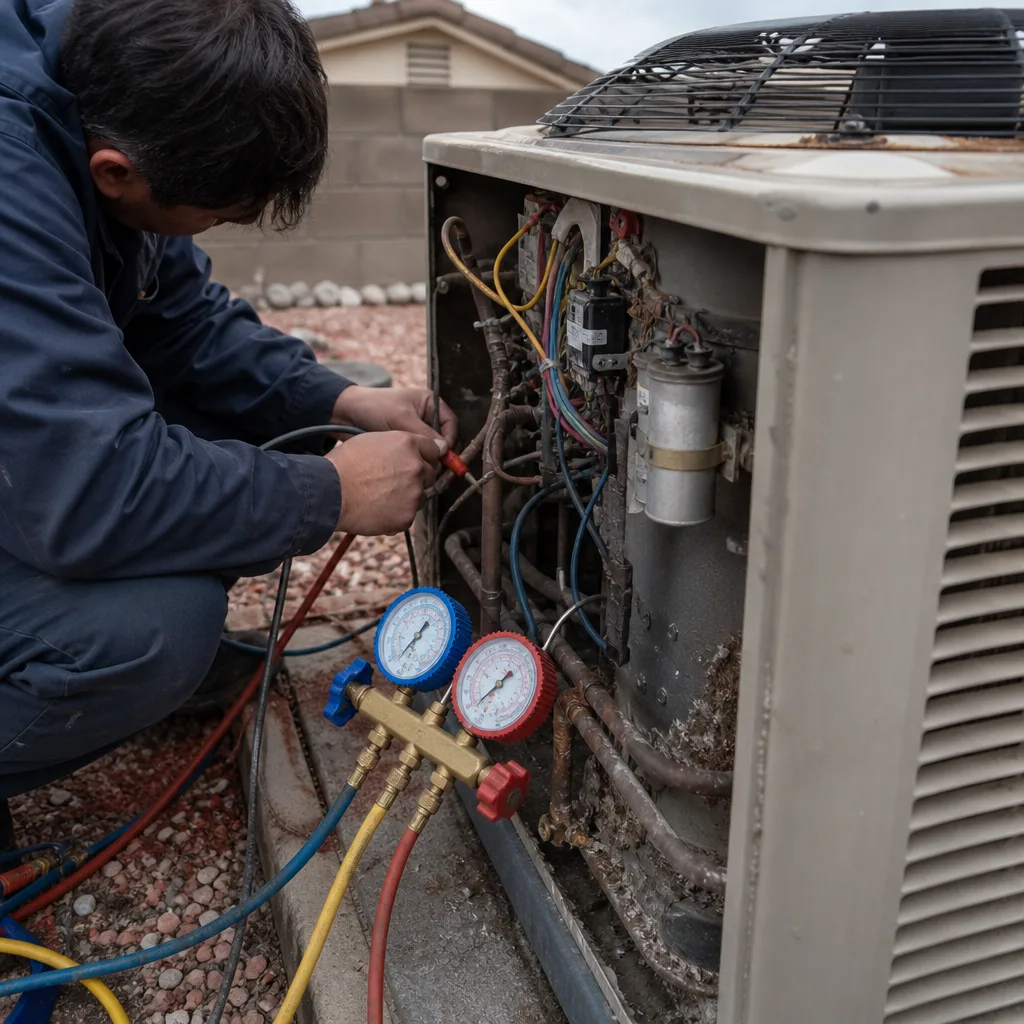 Before
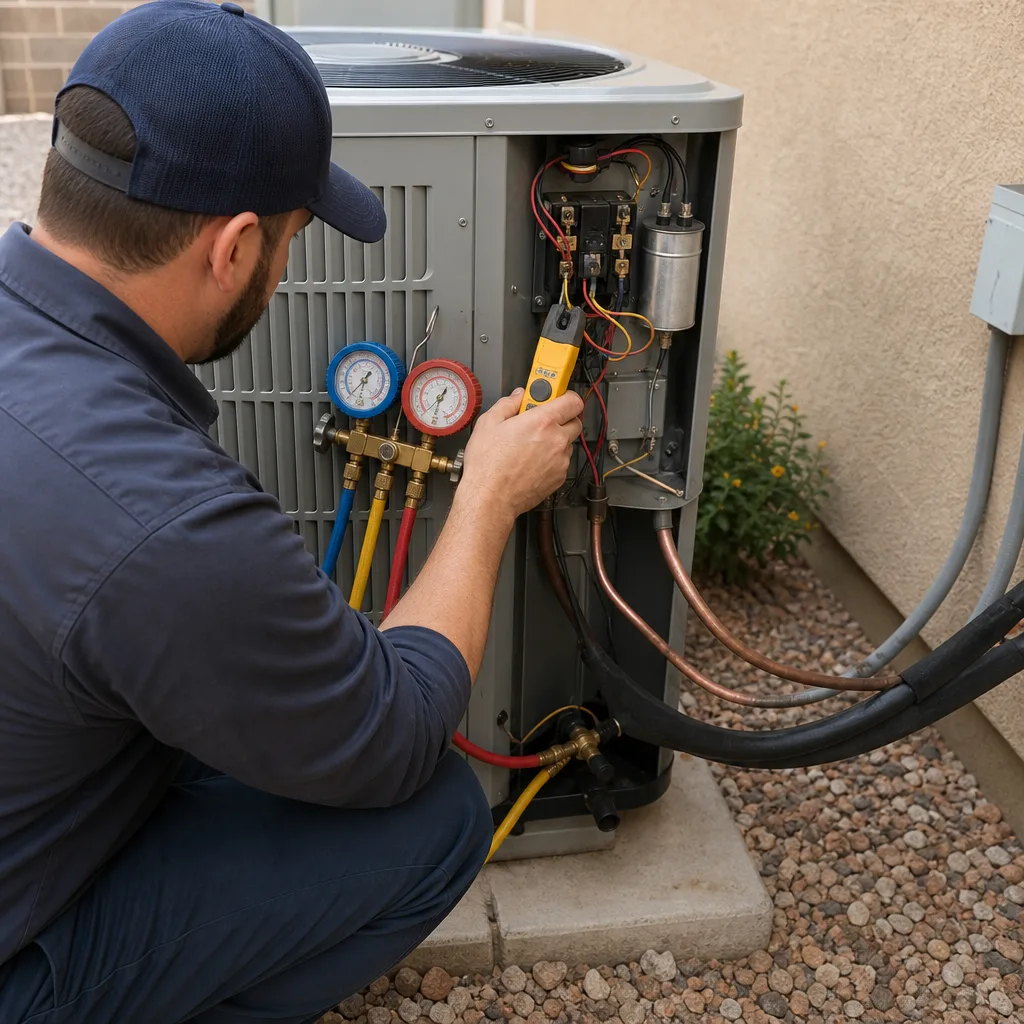 After
After